






5 Minutes
What is sweet itch, and why does it happen?
Sweet itch, also called insect bite hypersensitivity or summer eczema, is an intense allergic reaction. The main culprits are biting midges known as Culicoides, which inject saliva containing allergenic proteins when they feed. Some horses and donkeys become sensitised to these proteins, causing their immune systems to overreact. Hypersensitivity results in severe itching, leading to rubbing, rolling, biting, and scratching at affected areas.
You’ll most often notice this condition during the spring and summer, when the midge population explodes in response to increased warmth and rainfall. Hot days, afternoon storms, and sometimes high humidity create ideal conditions for midge breeding. Any equine can develop sweet itch; some are more susceptible, especially imported horses that may be encountering these biting insects for the first time.
Spotting the early signs
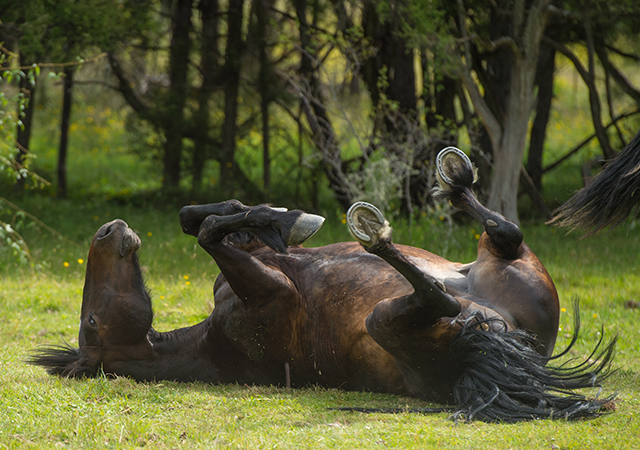
Sweet itch begins with persistent itching along the mane, base of the tail, and sometimes down the midline of the belly. Affected animals frequently become more irritable and restless. If you notice your horse or donkey spending more time than usual rubbing against fence posts, trees, or the corners of the stable, pay attention. Over time, the constant scratching causes hair loss, leaving bald or patchy sections. The skin may become thickened, scaly, or develop crusty sores. In severe cases, broken skin and open wounds can develop, creating an open invitation for secondary infections.
Where do these insects live and breed?
Midges need moisture and shelter to survive. Typical breeding grounds include shallow, stagnant water. Think muddy paddock corners, old tyres filled with rainwater, blocked water troughs, or poorly-drained hollows after a storm. They also love compost heaps, manure piles, and rotting hay. Dense overgrowth, like stands of wild reeds, tangled bush, offers both shade and humidity.
Around dawn and dusk, when the breeze settles and humidity rises, midges are most active. Horses left out in low-lying or sheltered fields during these hours are at the greatest risk. Areas with thick tree lines and heavy undergrowth often suffer the worst infestations.
Changes you can make in the paddock
The most effective way to reduce your horses’ exposure to biting insects is to disrupt the breeding cycle. Check your paddocks for drainage problems. Clean water troughs frequently and tip out unused buckets or containers so they cannot collect rain.
Fix leaks in troughs and pipes. The slow drips create the muddy breeding spots. Pick up manure, especially near stables and shelters, and position compost or manure heaps as far as possible from the turnout areas.
Cut back vegetation overgrowth. Increasing airflow and exposure to sunlight dries the environment and makes it less hospitable for midges.
Stable management makes a difference
On days when midges swarm, bring your equine friends into well-ventilated shelters during sunrise and sunset. Install strong fans in stables. The moving air helps deter insects. Always provide plenty of fresh bedding so animals can rest in comfort and avoid lying on damp, soiled floors.
Daily grooming removes dirt and dislodges insects from the coat. Grooming also gives you a chance to check for new sores or changes in the skin. Invest in a good-quality, close-weave fly sheet and tail guard. A well-fitted sheet helps limit the number of bites your animal receives. Use fly repellents to provide extra protection. Make sure you patch test new topical products, especially if your horse has a history of sensitive skin.
Natural remedies and dietary support
Dilute apple cider vinegar with water and use it as a light spray on your horse’s coat to calm the skin, keep midges away, and help balance the skin’s natural pH. Essential oils like lavender, tea tree, and citronella also come in handy. Mix 1 or 2 drops with 30 ml of a safe carrier oil like coconut or olive oil. Never apply undiluted essential oils to your horse’s skin.
Coconut oil can be used to moisturise dry, scaly areas and soothe rough patches. Its natural antimicrobial properties help protect against infections that often set in when your horse is scratching too much.
Your horse should have a diet built on quality forage, with all the right vitamins and minerals to keep the immune system and skin in top condition. Include omega-3 fatty acids. These healthy fats control inflammation, ease allergic reactions, and leave the coat looking healthy and glossy.
When to call the vet
You should contact your veterinarian if your horse’s sweet itch is severe or not improving with routine management. If you see large areas of hair loss, raw or open sores, excessive rubbing, bleeding, or signs of infection (redness, heat, swelling, or pus), a vet needs to be involved. Call for help if your horse becomes restless, starts losing weight, or is distressed. Your vet can advise on stronger treatments, prescribe antihistamines, and help rule out other causes that look similar to sweet itch.
Support recovery and strengthen immunity
A strong immune system is directly linked to how well your horse manages sweet itch. Sweet itch is essentially an allergic reaction. Your horse’s immune system overreacts to proteins found in midge saliva, triggering intense itching and inflammation. Horses with a healthy, balanced immune system are less likely to have severe reactions.
Help your horse feel their best
With careful observation and the right management, you can minimise the effects of sweet itch. When you take control of the paddock environment, be thorough with your stable routine, and act quickly when you spot the signs, you give your equine friends their best chance at breaking the cycle of sweet itch.
References and additional reading:
- Apple cider vinegar for sweet itch – does it help? (2023) SweetItch.co.uk. Available at: https://www.sweetitch.co.uk/apple-cider-vinegar-for-sweet-itch/
- Bazay, C. (2025) Managing Sweet Itch in horses: Causes, symptoms & treatment: Mad barn, Mad Barn USA. Available at: https://madbarn.com/sweet-itch-in-horses/
- Dyson, K. (2025) Treating summer skin problems, Farmer’s Weekly. Available at: https://www.farmersweekly.co.za/animals/horses/treating-summer-skin-problems/
- Homemade sweet itch remedies & homeopathic treatment (2023) SweetItch.co.uk. Available at: https://www.sweetitch.co.uk/homemade-sweet-itch-remedies/
- Magazines, C. (2013) Sweet itch or grass mange?, Farmer’s Weekly. Available at: https://www.farmersweekly.co.za/animals/horses/sweet-itch-or-grass-mange/
- Sweet Itch (2024) World Horse Welfare. Available at: https://www.worldhorsewelfare.org/advice/sweet-itch
- Treating Sweet Itch (2017) Equus Magazine. Available at: https://equusmagazine.com/news/eqsweetitc378