




7 Minutes
As a parent, you want nothing more than to see your child thrive. Healthy children are full of energy, eager to learn and emotionally balanced. One of the most powerful ways to support your child’s health and happiness is by ensuring they get enough quality sleep.
Sleep is a cornerstone of growth, development and well-being for every stage of your child’s life, from newborn to teenager. Let’s explore why sleep matters, how much is needed and how you can help your child enjoy restful nights.
How much sleep do children need?
Children’s sleep needs change as they grow. Here’s a guide to recommended sleep by age:
- Newborns (0–3 months): 14–17 hours per day (including naps)
- Infants (4–11 months): 12–16 hours per day (including naps)
- Toddlers (1–2 years): 11–14 hours per day (including naps)
- Pre-schoolers (3–5 years): 10–13 hours per day (including naps)
- School-aged children (6–12 years): 9–12 hours per night
- Teenagers (13–18 years): 8–10 hours per night
Why is sleep so important for children?
Sleep is when the body and brain do essential work. Here’s how sleep supports children at every stage:
Babies and toddlers
- Physical growth: Deep sleep triggers the release of growth hormones, fueling physical growth, muscle development and bone strength.
- Immune system: Sleep boosts the immune system, helping little ones fight off infections and recover from illness more quickly.
- Brain development: Sleep is important for memory formation, learning and developing skills like attention and problem-solving.
- Emotional regulation: Well-rested babies and toddlers are better able to manage emotions and cope with frustration.
School-aged children
- Learning and memory: Sleep helps the brain process and store new information, supporting academic achievement and creativity.
- Attention and focus: Lack of sleep makes it harder to concentrate, leading to difficulties at school and during play.
- Behavioural issues: Tired children may be more irritable, impulsive or prone to tantrums and aggression.
- Emotional stability: Consistent sleep helps children manage stress, build resilience and develop strong social skills.
Teenagers
- Brain development: The teenage brain is still growing and changing. Sleep supports rapid development, especially in areas linked to decision-making and emotional control.
- Mood and mental health: Adequate sleep lowers the risk of anxiety, depression and mood swings.
- Physical health: Sleep helps regulate weight, supports the immune system and maintains energy levels.
- Academic performance: Teens who get enough sleep perform better at school, with sharper focus, better memory and improved problem-solving.
What happens when children don’t get enough sleep?
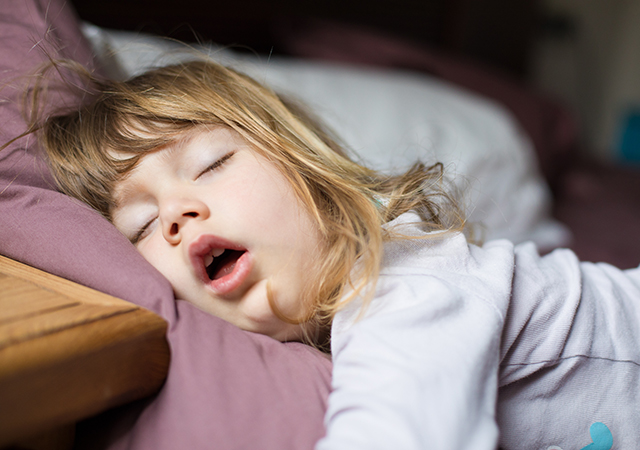
Even minimal sleep loss can affect a child’s daily life. Signs of sleep deprivation include irritability, hyperactivity, trouble concentrating, and mood swings. Chronic lack of sleep can increase the risk of obesity, diabetes, high blood pressure and mental health problems in later life.
What happens while your child sleeps?
When your child falls asleep, their brain and body move through a sleep cycle of five repeating stages, each playing a role in healing, growth and development. Each cycle lasts about 90 to 120 minutes and repeats several times during the night.
- Stage 1, or the lightest sleep, is the gentle transition from wakefulness to sleep. During this time, your child’s muscles begin to relax, their heartbeat and breathing slow down and they may experience slight twitches or the sensation of falling. Because this sleep is so light, children can be easily woken up during this stage.
- Stage 2 is still considered light sleep but is deeper than the first stage. Here, your child’s body temperature drops, eye movements stop, and brain waves slow down, though there are occasional bursts of rapid activity called sleep spindles. This stage helps protect sleep and supports memory and learning. Children spend a large portion of the night in this stage.
- Stage 3 is the beginning of deep sleep. Brain waves become extremely slow, and it becomes much harder to wake your child. This is when the body begins its most important physical repair work, supporting tissue growth and strengthening the immune system.
- Stage 4 is the deepest stage of non-REM sleep. It is similar to Stage 3 but even more intense. The body is at its most restful and restorative during this time. Growth hormones are released, which is especially important for children’s physical growth and development. If your child is awakened from this stage, they may feel confused or groggy.
- Stage 5 is REM sleep, or rapid eye movement sleep, which is very different from the other stages. The brain becomes highly active, almost as if your child is awake and their eyes move rapidly behind closed eyelids. Most dreaming takes place during this stage. REM sleep is essential for emotional processing, memory, creativity and brain development.
Tips for better sleep:
Not all children sleep soundly every night, but there are ways to help:
- Check for illness: Sleep problems can be an early sign of illness.
- Nutrition and hydration: Hungry or thirsty children can’t sleep well. Children who have an unhealthy diet with too many sugary snacks will also struggle to get a good night’s rest.
- Comfortable environment: Keep the bedroom quiet, dark and at a comfortable temperature.
- Mental and physical stimulation: Babies and children need age-appropriate stimulation during the day, like play, music, reading and outdoor activities to promote better sleep.
- Wake windows: For babies, be aware of wake windows. This is the length of time they can be comfortably awake before becoming overtired. Your baby’s wake window changes rapidly in the first two years.
- Emotional well-being: Children are sensitive to the emotional climate at home. Stress, anxiety or family disruptions all affect sleep.
How screens and technology affect sleep
Screens are not helpful for sleep. The blue light from screens disrupts the body’s natural sleep rhythm and is especially harmful to developing brains. Screen time before bed delays sleep, reduces sleep quality and affects brain development in young children. For babies and toddlers, screen time is not recommended. For older children, it should be limited and supervised. For teens, cellphones and social media are especially disruptive. Remove or turn off devices in the bedroom which emit electromagnetic radiation such as cell phones, tablets or Wi-Fi routers. Removing devices at night also prevents the temptation for late-night messaging.
The power of routine and contentment
Children sleep best when they feel safe and secure. A predictable bedtime routine signals to the brain that it’s time to wind down. Peaceful home environments, free from conflict and stress, are a true gift for a child’s emotional and physical health.
If you are looking for more tips to help your child sleep better, read our article on natural remedies to help babies and children sleep better.
Supplements for sleep support
 |
A.Vogel Nerves and Sleep: A homeopathic remedy that supports children experiencing sleeplessness, restlessness, tension and nervous exhaustion. A.Vogel Nerves and Sleep Formula’s blend of ingredients are traditionally used to calm the nervous system, ease anxiety and address disturbed or restless sleep. Suitable for children from two years and older, the formula is dosed according to age and can be taken directly on the tongue or in a little water before meals. |
 |
Pegasus Sleep: A homeopathic remedy formulated to address sleeplessness and disturbed sleep in children, including issues such as nightmares, restlessness and difficulty falling or staying asleep. Pegasus Sleep contains a blend of ingredients, each selected for their traditional use in calming the mind, soothing nervous excitement and encouraging healthy sleep patterns. Suitable for infants, children and adults, the remedy is dosed as 3–5 pillules under the tongue after dinner and before bedtime, with the option to repeat if waking during the night. If no improvement is seen within 24–48 hours, consult a healthcare professional. |
 |
A.Vogel Dormeasan: A herbal sleep remedy made from freshly harvested, organically grown Valerian root and Hops. A.Vogel Dormeasan is formulated to relieve sleep disturbances, restlessness, stress and anxiety. Dormeasan supports the nervous system with calming properties and promotes restful, natural sleep when taken at bedtime. Dormeasan is not habit-forming and does not cause morning grogginess, helping your child wake feeling refreshed and can be used in children from age 6. |
 |
Bio-Strath: A natural supplement formulated to support overall health and well-being, with a particular focus on nourishing the brain and nervous system. Bio-Strath contains 61 essential nutrients, including vitamins, amino acids, minerals and trace elements, that help maintain energy levels, reduce fatigue and support recovery from stress. Bio-Strath provides easily absorbable nutrition to help promote balance throughout the body, which is vital for restful sleep. Bio-Strath improves the absorption of key nutrients like vitamin B1, zinc, magnesium and iron, which support relaxation and sleep quality. |
Supporting your child’s healthy sleep journey
Sleep is a necessity for children’s growth, learning and happiness. When you understand the importance of sleep, create healthy routines and nurture a calm, natural environment, you give your child the best possible start in life.
References
- Harvard T.H. Chan School of Public Health, 2017. Why kids need their sleep. Available at: https://www.health.harvard.edu/blog/why-kids-need-their-sleep-2019040116298
- National Institutes of Health, 2022. Children’s sleep linked with brain structure, cognition, and mental health. Available at: https://www.nih.gov/news-events/nih-research-matters/childrens-sleep-linked-brain-structure-cognition-mental-health
- Owens, J.A., 2022. Sleep in Children: Why It’s Important. Sleep Foundation. Available at: https://www.sleepfoundation.org/children-and-sleep
- World Health Organization, 2019. Guidelines on physical activity, sedentary behaviour and sleep for children under 5 years of age. Geneva: WHO. Available at: https://www.who.int/publications/i/item/9789241550536
- Caring for Kids, 2020. Sleep and your child. Canadian Paediatric Society. Available at: https://caringforkids.cps.ca/handouts/behavior-and-development/sleep_and_your_child