


7 Minutes
In this article we answer the following questions:
- What is the postpartum period?
- What physical symptoms are normal after giving birth?
- What causes the baby blues?
- How does iron deficiency affect postpartum recovery?
- What natural remedies support postpartum healing?
What does ‘postpartum’ mean?
The term postpartum simply means “after birth,” and it refers to the first six to twelve weeks following delivery. It is a time of change, physically, emotionally, and hormonally. Your body is healing, your identity is shifting, and caring for your new baby. All of this at once, often on very little sleep. Many new mothers find this period more challenging than they expected, and that is completely normal.
Your body after birth: physical recovery
Whether you have had a vaginal birth or a caesarean section, your body has performed an extraordinary feat, and it needs time and support to heal.
Common postpartum physical concerns include:
- Perineal pain, soreness from an episiotomy (a surgical cut to assist delivery), or vaginal tears that require stitches
- Uterine cramping as the womb contracts back to its pre-pregnancy size
- General weakness, fatigue, and muscle soreness from the effort of labour
- Abdominal wound pain and restricted movement following a caesarean section
- Side effects from pain medication, including nausea, constipation, and drowsiness
Supporting your physical recovery naturally:
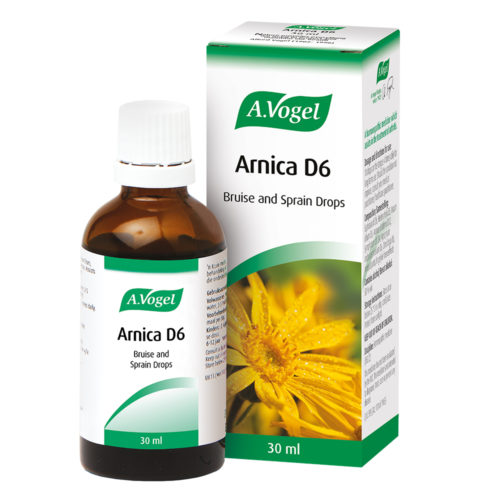 |
A.Vogel Arnica D6 is a trusted homeopathic medicine used to assist recovery from physical injury, including soft tissue trauma, bruising, and wound healing. Arnica D6 supports healthy recovery by reducing inflammation, relieving pain, and supporting circulation. |
 |
THRESHHold Tablets contain OptiMSM®, an organically bonded sulphur compound that provides natural anti-inflammatory support, helping to ease pain, swelling, and discomfort associated with physical exertion and recovery. |
Together, Arnica D6 and THRESHHold Tabs offer a natural approach to managing the aches and soreness that commonly accompany those early postpartum days and are safe to use when breastfeeding.
Always consult your healthcare provider before starting new supplements, especially after a caesarean section or if you are on prescribed pain medication.

Nourishing your baby
Breastfeeding is one of the most powerful gifts you can give your newborn, and it benefits you both deeply. Breastfeeding can also take time, patience, and practice, so be gentle with yourself as you both learn.
Breast milk offers your baby complete nutrition, powerful immune protection, and a reduced risk of infections, allergies, and chronic illness. For you, breastfeeding helps your womb contract and recover more quickly, assists with postpartum weight changes, and releases oxytocin, the bonding hormone that deepens the connection between you and your little one.
In the first few days after birth, your body produces colostrum, a thick, yellowish, antibody-rich milk. Colostrum is your baby’s first superfood, offering immune protection and helping them pass their first stool. Within two to four days, your mature milk comes in, and your supply gradually regulates according to your baby’s demand. As this happens, you may notice the let-down reflex, a brief tightening or tingling in the breasts when milk starts to flow in response to your baby feeding or to oxytocin release.
Tips for successful breastfeeding:
- Focus on a good latch. Your baby’s mouth should be wide open, taking in a generous amount of breast, not just the nipple
- Feed eight to twelve times in twenty-four hours in the early weeks, watching for hunger cues like rooting and sucking on hands
- Stay well hydrated and aim for two to three litres of fresh, filtered water daily
- Prioritise rest and minimise stress, as anxiety can inhibit your let-down reflex
Common breastfeeding concerns:
- Mastitis is an infection of the breast tissue that causes pain, redness, and fever. If you think you’re suffering from mastitis, it is important to visit your primary healthcare provider as soon as possible.
- Low milk supply is often linked to poor latch, infrequent feeding, dehydration, stress, or nutritional deficiency. Consult a lactation consultant and review your nutrition and hydration.
What matters most is that both you and your baby are healthy and cared for. If breastfeeding is not possible due to medical reasons, low supply that cannot be addressed, or health challenges, formula is a safe alternative. Your healthcare provider or lactation consultant can help you decide what is right for you and your baby.
Understanding the baby blues
If you have found yourself crying over something small, feeling inexplicably low, or swinging between joy and exhaustion within the same hour, you are not alone, and you are not broken. Up to 80% of new mothers experience the baby blues in the days following birth.
The baby blues typically appear two to three days after delivery and usually lift within one to two weeks. The baby blues are caused by the sudden, dramatic drop in oestrogen and progesterone that follows birth, compounded by the physical demands of recovery and the reality of broken sleep. Your body is simply finding its new rhythm, and that takes time.
Supporting your emotional well-being naturally:
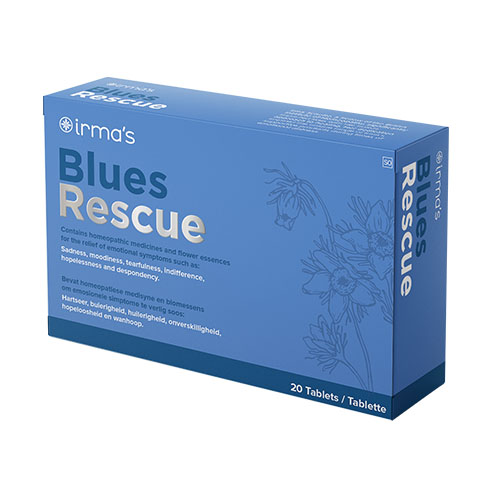 |
Irma’s Blues Rescue is a South African homeopathic and flower essence remedy specifically formulated to provide gentle, non-addictive relief from emotional symptoms like sadness, moodiness, tearfulness, hopelessness, and despondency. Irma’s Blues Rescue contains a blend of homeopathic remedies and Bach flower essences. |
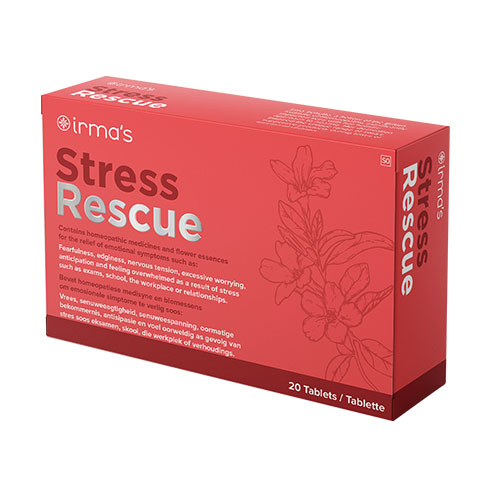 |
Irma’s Stress Rescue is formulated for the relief of emotional symptoms like fearfulness, edginess, nervous tension, excessive worrying, anticipation and feeling overwhelmed. These feelings are commonly associated with the baby blues. Irma’s Stress Rescue is gentle, non-addictive and doesn’t cause drowsiness. |
 |
A.Vogel Neuroforce is a homeopathic nerve tonic that assists with mild anxiety, nervous stress, mental fatigue, and tearfulness. A.Vogel Neuroforce’s formula includes Cocculus, a remedy specifically indicated for the effects of loss of sleep and the emotional stress of nursing, making it particularly well-suited to new mothers navigating disrupted rest and emotional overwhelm. |
The Irmas Rescue range and A.Vogel Neuroforce are safe to use when breastfeeding.
If your low mood doesn’t lift after two weeks, if it deepens, or if it begins to affect your ability to care for yourself or your baby, speak to your healthcare worker. Postpartum depression is real, it is recognised, and it is very treatable. Reaching out is not weakness; it’s wisdom.
Replenishing the nutrition used during pregnancy and birth
Your body has been working hard for nine months, and the birth itself asks even more. The nutritional demands of the postpartum period, particularly during breastfeeding, are significant. Replenishing your reserves is one of the most important things you can do for both your recovery and your mood.
Your iron levels need special attention. Blood loss during delivery depletes iron stores that pregnancy has already been drawing on heavily. Low iron leaves you feeling exhausted, emotionally flat, and physically depleted. Research has been done linking the risk of postpartum depression with an undiagnosed iron deficiency. For your baby, adequate iron is equally critical, as iron deficiency left unaddressed in the first two years of life can have lasting effects on brain development.
Read more about the importance of the first 1000 days of life here.
 |
Bio-Strath is a clinically proven herbal supplement that provides 61 of the 100 vital nutrients your body needs daily, including vitamins, minerals, and amino acids. What makes it truly remarkable in the postpartum context is that it has been clinically shown to enhance iron absorption by up to five times. It is safe to use while breastfeeding, supports healthy haemoglobin levels, and helps restore the energy and resilience that postpartum life demands. |
 |
Bio-Strath Iron pairs that same nourishing herbal yeast base with a gentle, slow-releasing iron from fermented Koji and natural vitamin C from Acerola. It is easy on the digestive system, with no constipation and no nausea, and it is free from sugar, lactose, gluten, and artificial additives. |
Alongside supplementation, keep nourishing yourself with iron-rich foods (red meat, lentils, legumes, leafy greens), healthy fats, protein, and calcium. You cannot pour from an empty cup, and filling yours up is one of the most loving things you can do for your baby.
You deserve this support
The postpartum period is not just about recovery; it is about renewal. The care you give yourself in these first weeks shapes your recovery, your energy, and your capacity to care for your newborn. Recovery doesn’t happen all at once. Small, consistent steps in nutrition, rest, and support add up to meaningful change. You can explore our full range of postpartum support at the Living Naturally Health Hub.