

In this article we answer the following questions:
- Why has PCOS been renamed PMOS?
- How common is PMOS?
- Can PMOS be treated naturally?
- What supplements help manage PMOS?
- What lifestyle changes support PMOS management?
Polycystic ovarian syndrome (PCOS) is a well-known and relatively common ‘gynaecological’ problem in women. As the name suggests, cysts on the ovaries are the most well-recognised feature of this condition. Cysts aren’t the only feature, though, and they’re not the underlying cause either. Plenty of women who have cysts on their ovaries don’t have PCOS at all.
The word ‘syndrome’ matters here. It describes a group of recognisable symptoms that occur together, and medically, it also hints that the underlying cause isn’t fully understood or clearly defined.
Traditionally, PCOS presents with this widespread group of symptoms and signs:
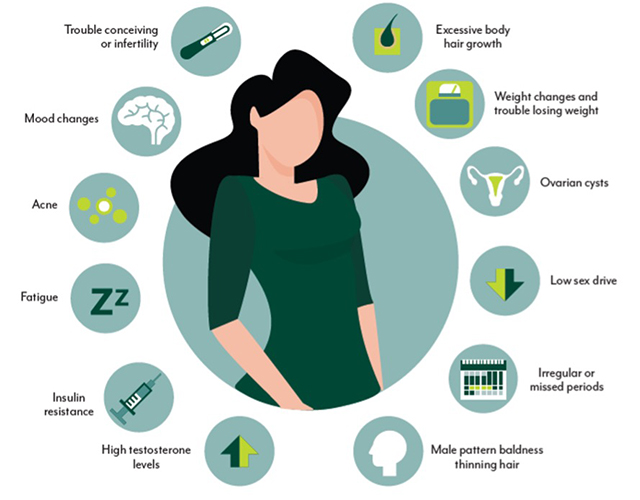
Recently, it was agreed, globally, to change the name to PMOS, short for polyendocrine metabolic ovarian syndrome. The old name was misleading, since ovarian cysts were never really the cornerstone of this condition. PMOS isn’t a new disease. It’s simply a more accurate name for what we used to call PCOS.
Obesity and insulin resistance are closely tied to PMOS. In fact, 75% of women with PMOS also have insulin resistance, and 28% of obese women have PMOS. Insulin resistance drives up androgen production in the ovaries and adrenal glands, and it raises the risk of type 2 diabetes, which 40% of PMOS women eventually develop. Research shows that losing just 5% of body weight and improving insulin sensitivity can genuinely improve ovarian function and fertility.
The name change better reflects the condition and three key areas of imbalance:
- Polyendocrine dysfunction: an imbalance in a wide variety of hormones, including androgens (e.g. testosterone), insulin, ovarian hormones (e.g. oestrogen & progesterone), and other neuroendocrine hormones.
- Metabolic features: insulin resistance, obesity, blood sugar imbalances, abnormal cholesterol and lipids in the blood.
- Ovarian dysfunction: irregular menstrual cycle, possible infertility (not necessarily cysts).
How common is PMOS?
PMOS is the most common endocrine condition affecting women of reproductive age worldwide, with prevalence estimates ranging from 5% to 26%, depending on which diagnostic criteria are used. Symptoms show up so differently from woman to woman that many cases go unrecognised for years. That’s exactly why early, informed action matters so much.
Can PMOS be treated naturally?
Natural and complementary approaches have an important role to play in managing PMOS, but they work best alongside proper diagnosis and, where needed, conventional medical care.
Before building any treatment plan, you need to confirm PMOS is actually present, and rule out other conditions that can look similar, like thyroid disorders or other hormonal imbalances. A proper work-up usually includes a pelvic or transvaginal ultrasound, blood tests to check hormone levels (including testosterone and sometimes AMH), and a physical exam.
PMOS is what’s known as a diagnosis of exclusion. That means your practitioner needs to be confident nothing else is responsible for your symptoms before putting a management plan in place.
Why a holistic, integrative approach works best
Once you have a diagnosis, the most effective way to manage PMOS is through a holistic, integrative plan, one that draws on conventional medicine, complementary medicine, and lifestyle and dietary changes together. Recent clinical literature backs up this “whole person” model, pointing to balanced nutrition, movement, sleep, gut health, and stress management as the real pillars of hormonal health, alongside medical care where it’s needed.
No single intervention does it all. Combining approaches is what brings the meaningful, lasting results.
The role of complementary medicine
Homeopathy, herbal remedies, and health supplements all have an important role to play in managing PMOS. They can support hormone balance and ease specific symptoms like irregular or painful periods.
If you’d like to explore complementary medical options, you can find qualified practitioners here:
- To find a registered homeopath, visit the Homeopathic Association of South Africa (HSA) practitioner search.
- To find a registered herbal medicine practitioner, visit the South African Association of Registered Phytotherapists (SAARP) directory.
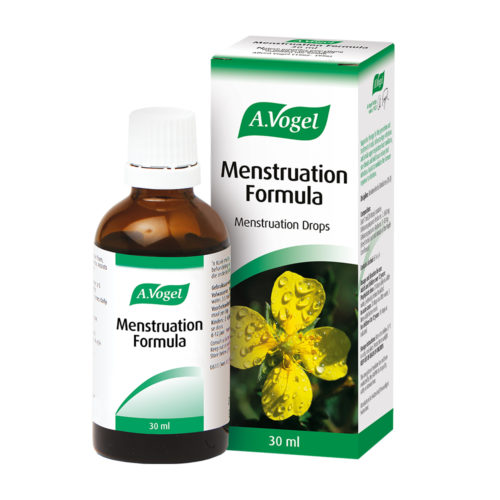
A.Vogel Menstruation Formula is a homeopathic medication that assists with menstrual cycle irregularities, cramping, and premenstrual tension.
Dietary and lifestyle modifications
A low-GI, anti-inflammatory diet is one of the most consistently recommended strategies for PMOS. Build your meals around slow-releasing carbohydrates, quality protein, and healthy fats, and you’ll help keep blood sugar, insulin, and androgen levels more stable throughout the day.
Poor or irregular sleep disrupts the hormones that regulate appetite, blood sugar, and stress, all of which are already under pressure in PMOS. Prioritising consistent, restorative sleep is one of the simplest things you can do for hormonal balance.
Movement is medicine. Exercise directly improves your body’s ability to respond to insulin. Resistance training in particular helps build lean muscle, which makes your body more efficient at using glucose and shifts your body composition in a favourable direction.
Even a 5% reduction in body weight has been shown to improve insulin sensitivity, ovarian function, and fertility in PMOS. Where clinically appropriate, weight loss is one of the most effective things you can do.
The gut microbiome is an often under-recognised piece of the PMOS puzzle, influencing inflammation, insulin sensitivity, and hormone metabolism. Support your gut with fibre-rich foods, fermented foods, and targeted supplementation.
A.Vogel Molkosan, a lacto-fermented whey rich in L(+) lactic acid, supports healthy gut bacteria and the microbiome.
Keeping your stress in check is important. Chronically elevated cortisol interferes with insulin sensitivity and can make androgen excess worse. Breathwork, mindfulness, time in nature, and simply building rest into your day all help lower cortisol and support the bigger hormonal picture.
Evidence-based complementary medicines and supplements
- Inositol has insulin-sensitising properties, and it can improve hormonal and metabolic markers.
- Magnesium, especially combined with nutrients like vitamin E or zinc, has been shown to improve inflammatory markers, insulin resistance, and lipid profiles in women with PMOS.
- Omega-3 fatty acids support healthy lipid levels, reduce inflammatory markers, and have been linked to better insulin resistance outcomes.
- N-acetylcysteine (NAC), an antioxidant and glutathione precursor, has been shown to improve insulin sensitivity.
- Vitamin D deficiency is common in PMOS and is linked to worsened insulin resistance; supplementation is frequently included in integrative protocols alongside inositol.
- Vitex agnus-castus (chasteberry) is a traditional hormone-balancing herb. Research shows it can help regulate the LH/FSH ratio, lower elevated testosterone, and support progesterone, making it a popular choice for cycle regulation.
Your liver is responsible for metabolising and clearing excess hormones, including androgens and oestrogen. When liver function is sluggish, that detox process slows down, and hormonal imbalance can get worse.
A.Vogel Boldocynara, formulated with artichoke, peppermint, boldo, and dandelion, supports a healthy liver and bile flow, helping your body clear out excess hormones.
Living with PMOS
PMOS can feel overwhelming when you’re first learning to make sense of the name, the symptoms, and everything that comes with the diagnosis. It doesn’t have to stay that way. With the right combination of proper diagnosis, medical care, and natural support, real and lasting improvement is within reach.
Every small change adds up. A better night’s sleep, a 5-10 minute walk after dinner, and a meal built around whole foods are simple changes that can support your hormonal balance. You don’t need to overhaul your life overnight. You just need to start, and keep going. With the right knowledge and the right tools, women with PMOS can feel strong, balanced, and well again.
References
- Cleveland Clinic (2022) What is chasteberry, and what can it do? Available at: health.clevelandclinic.org/chasteberry-benefits-and-risks
- Everyday Health (2025) How to improve insulin sensitivity. Available at: everydayhealth.com/diabetes/how-to-improve-insulin-sensitivity
- GoodRx (2025) Best supplements for PCOS: vitamin D, magnesium, and more. Available at: goodrx.com/conditions/pcos/best-supplements-for-pcos
- Healthline (2018) Inositol: benefits, side effects and dosage. Available at: healthline.com/nutrition/inositol
- Healthline (2018) Top 9 benefits of NAC (N-acetyl cysteine). Available at: healthline.com/nutrition/nac-benefits
- Mayo Clinic (2022) Polyendocrine metabolic ovarian syndrome (PMOS): diagnosis and treatment. Available at: mayoclinic.org/diseases-conditions/pcos/diagnosis-treatment/drc-20353443
- Medical News Today (2019) NAC (N-acetylcysteine): benefits, dosage, uses, and more. Available at: medicalnewstoday.com/articles/327219
- Medical News Today (2020) PMOS diet: foods to eat and avoid. Available at: medicalnewstoday.com/articles/323002
- NICE (National Institute for Health and Care Excellence) (n.d.) NICE guideline on PMOS. Available at: nice.org.uk/guidance/gid-ng10436/documents/450
- Verywell Health (2024) 12 foods that ease PCOS symptoms. Available at: verywellhealth.com/what-is-the-best-diet-for-pcos-2616314