



If you’re a woman approaching midlife, understanding osteoporosis is important for your long-term health. Osteoporosis weakens your bones, making them more vulnerable to fractures from everyday activities like gardening, climbing stairs, or even coughing. The statistics are sobering: one in three women and one in five men over 50 in South Africa will develop an osteoporotic fracture in their lifetime. This means approximately 4 million South Africans already live with osteoporosis. Osteoporosis often goes unnoticed until a fracture occurs, since it rarely causes symptoms in its early stages. When you understand the causes and take proactive steps, you can protect your bone strength for years to come.
What is osteoporosis?
Your bones are living tissue that constantly renew themselves. Until your early thirties, your body builds more bone than it loses, helping you achieve peak bone density around age 30. After this point, bone breakdown begins to outpace bone formation, especially during and after menopause, when your oestrogen levels drop and accelerate this loss.
When you develop osteoporosis, your bones lose significant density and their structural integrity deteriorates. This makes your bones less able to withstand normal stresses, putting you at increased risk of fractures in areas like your hip, spine, and wrist. Healthcare professionals often call osteoporosis a “silent disease” because it develops slowly over many years without symptoms, only becoming apparent when a fracture occurs.
Hip fractures are particularly serious. One in five people with osteoporosis dies within a year of a hip fracture. Vertebral fractures can lead to spinal deformity (kyphosis – a hunched back), chronic back pain, and loss of height. Even minor falls can result in broken bones and long-term disability that affects your independence and quality of life.
How is osteoporosis diagnosed?
Osteoporosis is usually identified through a bone density scan called dual-energy X-ray absorptiometry (DEXA). This quick, painless test measures the mineral content in your bones.
Two key scores are provided:
- T score: Compares your bone density to that of a healthy 30-year-old woman
- Z score: Compares your bone density to an average person of your age, sex, and size.
The comparison can help distinguish osteoporosis caused by ageing from that due to other underlying causes.
Osteoporosis vs osteopenia
Osteopenia is considered the “prelude” to osteoporosis. An osteopenia diagnosis means bone density is lower than normal but not low enough to be classified as osteoporosis. Both conditions increase your fracture risk, but osteoporosis poses more serious concerns.
- Osteopenia: T score between -1 and -2.5
- Osteoporosis: T score below -2.5
What causes osteoporosis?
Genetic factors
Your genetic makeup influences your peak bone density and long-term bone health. If you have close relatives, like your mother or sister, who have been diagnosed with osteoporosis or fractured bones later in life, your risk increases. Ethnicity plays a large role. Research shows White women face a 1 in 4 chance, Indian women 1 in 8, Coloured women 1 in 14, and Black women 1 in 22 chance of developing osteoporotic fractures. Genes may account for up to 45% of the variation in bone mineral density.
Hormonal changes
Oestrogen plays a crucial role in maintaining bone mass. After menopause, oestrogen levels drop sharply, leading to increased activity of osteoclasts – cells that break down bone. This results in accelerated bone loss and a higher risk of osteoporosis. Early menopause or prolonged absence of periods are also risk factors for weakened bones.
Lifestyle factors
Physical inactivity reduces the stimulation your bones need, making them thinner and more fragile over time. Smoking and excessive alcohol consumption directly damage your bone health, increasing your fracture risk. Alcohol abuse reduces your vitamin D levels, which are essential for calcium absorption.
Other risk factors
- Ageing (risk rises after 50)
- Family history of osteoporosis or fractures
- Low body weight or small frame
- Chronic diseases (rheumatoid arthritis, diabetes, coeliac disease)
- Certain medications (like steroids or thyroid drugs)
- Poor diet with low intake of calcium, vitamin D, or protein
- Limited sunshine exposure (less vitamin D production)
- High intake of caffeine, sodium, and sugary soft drinks
The acidogenic (acid-forming) diet and bone health
A driver of osteoporosis is a diet high in animal proteins, processed foods, and sugar, and low in fruits and vegetables. Acidogenic diets can cause the body’s pH to tip towards acidity. To buffer this excess acid and maintain blood pH, the body draws alkaline minerals (like calcium and magnesium) from bones, leading to gradual demineralisation and weakening. Over time, consistently high-acid diets accelerate loss of bone minerals. Eating patterns matter as much as calcium intake.
How to prevent osteoporosis
Weight-bearing exercise
Regular physical activity, especially weight-bearing and resistance exercises, stimulates bone formation and helps slow bone loss. You need just 15-20 minutes of weight-bearing exercise, three times weekly, to create the mechanical stress your bones need to grow stronger. Activities where you move against gravity while staying upright, like brisk walking, climbing stairs, dancing, or playing tennis, all qualify as excellent bone-building exercises.
Activities like yoga and Pilates that improve your balance also reduce your risk of falls, which becomes increasingly important as you age.
Diet and nutrition
Eating a diet rich in plant foods, including plenty of vegetables, fruits, nuts, seeds, and legumes, provides essential minerals like potassium and magnesium that support your bone health. Aim for 8-10 servings of colourful vegetables and fruits daily. It’s also important to eat enough healthy protein and get enough calcium to support your bone health.
The Mediterranean diet is an excellent framework for bone-healthy eating. The Mediterranean diet naturally provides anti-inflammatory compounds and a good balance of nutrients without being overly restrictive.
When planning your meals, focus on avoiding processed foods, excessive salt, and sugary drinks, which can increase calcium loss through the kidneys. Fresh, filtered water should always be your first choice for hydration.
Rather than following strict dietary rules, aim for a well-rounded, anti-inflammatory approach that emphasises variety and quality. This sustainable way of eating supports your bones and your overall health and well-being as you age.
Calcium Intake
Despite South Africa’s dairy-rich heritage, most South Africans consume only 400-500mg of calcium daily – half the recommended 1000mg. You can increase your calcium intake through:
- Dairy products (milk, yoghurt, cheese)
- Leafy greens like morogo and spinach
- Small fish eaten with bones (sardines, anchovies)
- Sesame seeds and tahini
- Almonds and other nuts
- Fortified plant-based alternatives
Sunshine exposure
Vitamin D is vital for calcium absorption and bone health. Regular, safe sun exposure on bare skin helps your body manufacture sufficient vitamin D. You need just 15-20 minutes several times a week.
Fall prevention
It’s important to create a safe home environment to reduce your risk of falling. Keep your living spaces clutter-free and well-lit, particularly staircases. Install handrails on stairs and in bathrooms. Choose sturdy, well-fitting footwear with good grip.
In the bathroom, use non-slip rubber mats both inside and outside the shower or bath, as wet surfaces are a common cause of dangerous falls. Regular exercise to improve muscle strength, balance, and coordination is equally important. Activities like walking, tai chi, or balance exercises can make a real difference in preventing falls.
Review your medications with your healthcare provider, as some can cause dizziness or affect balance, putting you at higher risk for falls.
Supplements
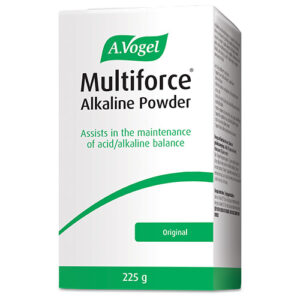 |
A.Vogel Multiforce: A.Vogel Multiforce is a source of calcium, magnesium, phosphorus and potassium, as well as citrate and bicarbonate salts (alkalising minerals) and has a systemic alkalising effect. A.Vogel Multiforce supports the body’s acid buffering mechanism by providing essential alkaline minerals required to combat a typical acidogenic diet and lifestyle. |
 |
A.Vogel VegOmega 3: Omega-3 fatty acids are “good fats” that are essential for the maintenance of good health. A.Vogel VegOmega 3 reduces inflammation and promotes healthy ageing. |
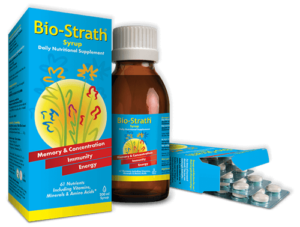 |
Bio-Strath: Bio-Strath contains 61 nutrients, including 11 building substances that your body needs to replicate cells. Bio-Strath also supports recovery and vitality. |
| Vitamin D: Vitamin D helps your body to absorb calcium and supports bone and muscle strength. | |
| Calcium: If your dietary intake of calcium falls short of 1000mg daily, you need to supplement. | |
| Magnesium: Crucial for bone flexibility and density, aim for 400–800mg daily. | |
| Vitamin K2: Especially important when supplementing with vitamin D, as it activates proteins that bind calcium into the bone matrix. | |
Taking charge of your bone health
You have the power to protect your bone health throughout your life. In South Africa, where osteoporosis affects millions but often goes unrecognised until fractures occur, taking proactive steps becomes even more important. Remember that osteoporosis isn’t inevitable. It’s preventable and manageable with the right knowledge and consistent action. If you’re over 50, have risk factors for osteoporosis, or haven’t had your bone density assessed, speak to your healthcare provider about whether a DEXA scan is appropriate for you. Early detection and intervention can make all the difference in maintaining your independence, mobility, and quality of life as you age.
References
- Bone Health and Osteoporosis Foundation (2024) ‘Calcium/Vitamin D Requirements, Recommended Foods’. Available at: https://www.bonehealthandosteoporosis.org/patients/treatment/calciumvitamin-d/
- Bone Health and Osteoporosis Foundation (2025) ‘Osteoporosis Diet & Nutrition: Foods for Bone Health’. Available at: https://www.bonehealthandosteoporosis.org/patients/treatment/nutrition/
- Echelon Health (2025) ‘The Impact of Osteoporosis on Men And Women’. Available at: https://www.echelon.health/how-osteoporosis-affects-men-women/
- Fedhealth Medical Aid (2024) ‘Osteoporosis: What You Need to Know’. Available at: https://www.fedhealth.co.za/articles/osteoporosis-what-you-need-to-know/
- Harvard Health Publishing (2021) ‘Slowing bone loss with weight-bearing exercise’. Available at: https://www.health.harvard.edu/staying-healthy/slowing-bone-loss-with-weight-bearing-exercise
- MyDynamics Pharma Dynamics (2024) ‘Postmenopausal Osteoporosis’. Available at: https://www.mydynamics.co.za/condition/womens-health/postmenopausal-osteoporosis/
- National Osteoporosis Foundation of South Africa (2016) ‘Calcium Supplementation’. Available at: https://osteoporosis.org.za/calcium-supplementation/
- National Osteoporosis Foundation of South Africa (2017) ‘The stark reality of South Africa’s low calcium intake’. Available at: https://osteoporosis.org.za/the-stark-reality-of-south-africas-low-calcium-intake/