
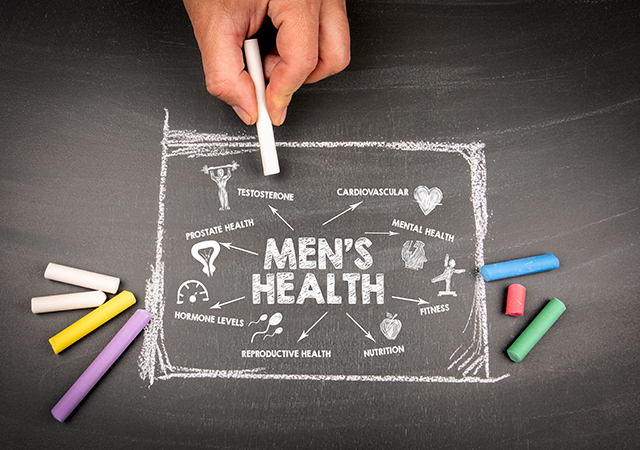




In this article we answer the following questions:
- What are the signs and symptoms of low testosterone in men?
- How is low testosterone diagnosed?
- At what age do testosterone levels start to decline?
- What natural lifestyle changes can support healthy testosterone levels?
- What are the risks of using testosterone without medical supervision?
What is testosterone, and what does it do?
Testosterone is your body’s primary male sex hormone, produced mainly in the testicles with small additional amounts made by the adrenal glands. Testosterone shapes male anatomy before birth and drives the voice changes, muscle and bone growth, and the development of body and facial hair associated with puberty. In adulthood, testosterone regulates sperm production and libido. Testosterone also builds and repairs muscle tissue, maintains bone density, and tells the bone marrow to produce oxygen-carrying red blood cells. Testosterone supports mood, mental sharpness, memory, and self-confidence, and plays a central role in how the body uses fat and sugar.
Testosterone is not just a sex hormone; it is a vital chemical foundation for a man’s vitality, strength, and sense of well-being.
What happens to testosterone levels as men age?
From around age 40, testosterone drops by approximately 1% per year, a gradual process sometimes called andropause. By age 45, more than a third of men have testosterone levels low enough to affect their health, energy, and quality of life.
The consequences of abnormally low testosterone
Chronically low testosterone leads to muscle loss, increased abdominal fat, weakened bones, anaemia, and reduced sperm production. Low testosterone disrupts blood sugar regulation, drives up bad cholesterol, increases the risk of metabolic syndrome, and raises the likelihood of heart disease.
Mentally and emotionally, low testosterone causes depression, irritability, brain fog, poor concentration, reduced motivation, and lower confidence. Many men live with these symptoms for years without connecting them to their hormonal health.
Who is most at risk of low testosterone?
Obesity, excessive alcohol, poor sleep, chronic stress, and physical inactivity all suppress testosterone. Medical conditions, including type 2 diabetes, sleep apnoea, and chronic kidney or liver disease, are also linked to low testosterone levels. Certain medications, including opioids, corticosteroids, and some antidepressants, suppress hormone production. Belly fat contains an enzyme called aromatase that converts testosterone directly into oestrogen, actively lowering levels in the male body.
Signs and symptoms of low testosterone
- Sexual: reduced libido, erectile dysfunction, decreased semen volume, infertility.
- Physical: persistent fatigue, muscle loss, increased belly fat, loss of body hair, brittle bones, breast tenderness.
- Mental and emotional: low mood, irritability, brain fog, reduced drive, diminished confidence.
If these symptoms sound familiar, it is time to consult your primary healthcare worker.
How is low testosterone diagnosed?
Your healthcare worker will start with a full medical history. A blood test, done early in the morning when levels are at their peak, is the most reliable way to assess your testosterone. A result below 300 ng/dL is generally considered low. In borderline cases, your doctor may check your free testosterone, which is the portion your body can actually use, as well as LH and FSH, the hormones your brain produces to signal testosterone production. Together, these help identify where in the process something has gone wrong. Low numbers alone do not always call for treatment. The symptoms must always be considered alongside the result.
Natural support for healthy testosterone levels
No single lifestyle change can fix testosterone levels overnight, and no two men will respond the same way. What research does show clearly is that consistent lifestyle changes can shift hormone levels, and that your body responds well when you give it what it needs.
Losing even 7 to 9 kilograms raises testosterone measurably by reducing aromatase activity in belly fat. Aromatase is the enzyme that converts testosterone into oestrogen. The less excess fat you carry around your middle, the more testosterone your body can produce and hold onto.
Strength training and high-intensity interval training are effective ways to support your testosterone levels. Resistance exercise stimulates testosterone production directly and preserves the muscle mass that low testosterone breaks down. Aim for two to four sessions a week; consistency matters far more than intensity.
Sleep is when the bulk of testosterone production happens. Fewer than five hours per night can reduce levels by up to 15%. Seven to eight hours of quality, uninterrupted sleep each night is one of the most powerful things you can do for your hormonal health.
A nourishing diet rich in lean protein, wholegrains, fresh fruit and vegetables, legumes and healthy fats from avocados, nuts, and olive oil gives the body the raw materials it needs to produce testosterone.
It is also important to manage stress and reduce your alcohol intake.
When is TRT medically necessary?
Testosterone replacement therapy (TRT) is a medical intervention for confirmed cases of abnormally low testosterone (hypogonadism) combined with significant symptoms, or where a specific medical condition is the root cause. It is not suitable for men wanting to preserve fertility, men with prostate or breast cancer, or those with uncontrolled cardiovascular disease. TRT is a decision that must always be guided by a qualified medical professional.
The dangers of unsupervised hormone therapy
Sourcing testosterone without a prescription or medical oversight carries serious risks. Products sold through unregulated channels could be contaminated, mislabelled, or mixed with unknown substances. You may be injecting or applying a substance that contains little to no actual testosterone, or something far more harmful.
Even when the product is genuine, testosterone without proper supervision carries real health risks. Testosterone supplementation tells your body to stop producing its own, and that shutdown can become permanent. Sperm production can slow or stop entirely, causing infertility. Red blood cell counts can rise, increasing the risk of blood clots, stroke, and heart attack. Your blood pressure climbs. The liver comes under strain, particularly when taking oral testosterone. Undetected prostate cancer can be accelerated. Sleep apnoea can worsen. These are not rare side effects; they are well-documented consequences of unsupervised TRT.
Testosterone should never be self-prescribed. A blood test is the only way to confirm whether your levels are genuinely low, and a qualified healthcare professional is the only person who can determine whether medical treatment is right for you.
Complementary medicines for low testosterone in men
It is important to know that various alternatives to TRT do exist, these include homeopathy, and Western herbal medicine. Its best to find a registered homeopathic or phytotherapeutic doctor who can diagnose the condition and recommend the most indicated therapies.
- Find a registered homeopath
- Find a phytotherapist
 |
A.Vogel ProstasanAnother condition commonly affecting older men is benign prostatic hypertrophy (BPH) a non-cancerous enlargement of the prostate gland. Benign prostatic hyperplasia (BPH) causes weak urinary flow, frequent nighttime urination, and a feeling of incomplete emptying. A.Vogel Prostasan is a herbal remedy containing saw palmetto berry extract (Serenoa repens). Saw palmetto as a herbal medicine has traditionally been known and referred to as ‘the old man’s friend’ due to its wide tonic effect on the male reproductive system. Prostasan has anti-androgen and anti-inflammatory properties, provides long-term relief from BPH-related urinary symptoms, and has been shown to help with sexual dysfunction associated with an enlarged prostate. Dosage: One capsule daily with a meal for at least 8 weeks. Consult a healthcare practitioner if symptoms persist. |
 |
Bio-StrathTestosterone production does not happen in isolation. Your body needs a steady supply of vitamins, minerals, and amino acids to produce hormones, manage stress, and sustain energy. When your nutrition is lacking, your hormonal health suffers too. Bio-Strath feeds your brain and body with 61 essential nutrients in an easily absorbable format, providing the body with the resources it needs to function at its best. Bio-Strath helps to bring about order and balance in your body with supportive herbal ingredients for each one of your body’s systems. Bio-Strath increases vitality and supports immunity and recovery from illness, fatigue and stress. For sustained good health and vitality take two tablets once daily before meals with water. |
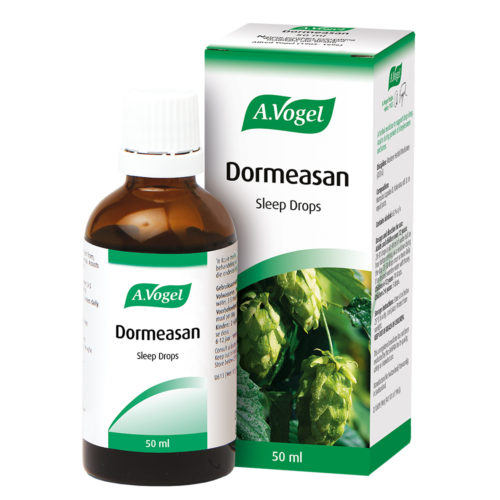 |
A.Vogel DormeasanThe bulk of testosterone production happens while you sleep. Seven to eight hours of quality, uninterrupted sleep each night is important for your hormonal health.If falling asleep or staying asleep is a struggle, A.Vogel Dormeasan is a natural herbal sleep remedy made from freshly harvested, organically grown valerian root and hops. Dormeasan supports the nervous system, eases restlessness and anxiety, and promotes restful, restorative sleep. Dormeasan is not a sleeping pill, is not habit forming and will not leave you feeling groggy the next morning. Take 30 drops in a little water half an hour before bedtime. |
Take control of your health journey
Testosterone decline is not something every man has to simply accept. Your testosterone levels are not fixed. They respond to how you sleep, how you move, what you eat, and how well you manage the demands of daily life. The most powerful investment you can make in your hormonal health is a consistent, informed commitment to taking care of yourself. Nature has equipped your body to produce what it needs. Give it the right conditions, and it will.
References and additional reading:
- Traish, A.M. (2014) Testosterone and weight loss: the evidence, PMC/National Institutes of Health. Available at: https://pmc.ncbi.nlm.nih.gov/articles/PMC4154787/
- National Institutes of Health (2025) Impact of testosterone on male health: a systematic review, PMC. Available at: https://pmc.ncbi.nlm.nih.gov/articles/PMC12023631/
- Hospital for Special Surgery (no date) Muscle mass and testosterone. Available at: https://www.hss.edu/health-library/move-better/muscle-mass-testosterone
- Rethink Testosterone (no date) Testosterone and blood health. Available at: https://www.rethinktestosterone.com/blog/testosterone-blood-health
- Urology Care Foundation (no date) Low testosterone. Available at: https://www.urologyhealth.org/urology-a-z/l/low-testosterone
- Columbia Doctors (no date) How testosterone changes affect men’s health as you age. Available at: https://www.columbiadoctors.org/news/how-testosterone-changes-affect-mens-health-you-age
- US Pharmacist (2017) Testosterone trials raise questions about cardiac risks. Available at: https://www.uspharmacist.com/article/testosterone-trials-raise-questions-about-cardiac-risks
- US Department of Veterans Affairs (2018) Men’s health: whole health library. Available at: https://www.va.gov/WHOLEHEALTHLIBRARY/overviews/mens-health.asp
- Dutch Test (2026) The role of hormones in men’s health. Available at: https://dutchtest.com/articles/role-of-hormones-mens-health
