









6 Minutes
In this article we answer the following questions:
- What are the best natural ways to relieve stress and anxiety?
- Can diet and exercise help lower stress naturally?
- Which supplements help reduce stress naturally?
- What lifestyle changes can help me cope with stress?
- What daily habits can prevent stress from building up?
We live fast-paced, always-connected lives where stress has become part of the daily rhythm. We wake to notifications, scroll through endless newsfeeds, and remain in a constant state of alert. We’re always on, always accessible. Social media brings the weight of global events directly into our hands. Work emails follow you home, and deadlines blur the boundaries between rest and responsibility.
The continuous flow of information and demand can leave you feeling overwhelmed, disconnected, and burned out. For many of us, stress manifests as tension, sleeplessness, or panic attacks. The need to slow down, recharge, and restore balance has never been more urgent. Fortunately, nature offers gentle, effective ways to help you find calm in the chaos.
Understanding what’s happening to your body
When you’re chronically stressed, your nervous system stays in overdrive, flooding your body with cortisol and adrenaline. Over time, this can lead to adrenal fatigue, a state of exhaustion that affects your energy, mood, and overall wellbeing.
The good news is that your body has an innate ability to heal and rebalance when you give it the right support. Let’s look at how you can do that.
Breathe consciously
One of the most powerful tools you have for stress relief is your breath. When stress strikes, your breathing becomes shallow and rapid. When you consciously slow your breath, you send a signal to your nervous system that it’s safe to relax.
Try this simple technique: Breathe in slowly through your nose for four counts, hold for seven, then exhale through your mouth for eight counts. That longer exhale activates your parasympathetic nervous system, your body’s natural “rest and digest” mode.
Even a sigh can help you rebalance. Deliberate sighing releases tension and resets your breathing pattern. Practising mindfulness through breathwork creates space between you and your stressors, helping you respond rather than react.
Set Boundaries and reduce your screen time
Constant connectivity is one of modern life’s greatest stressors. Setting healthy boundaries around technology is essential for your wellbeing. Implement digital sunsets where you power down your devices an hour before bed. Turn off non-essential notifications. Designate phone-free zones in your home, particularly in your bedroom. Small acts of disconnection create space for you to rest and reflect.
You don’t need to be available to everyone all the time. Protecting your peace is an act of self-care, not selfishness. It’s okay to step back.
Move your body
Exercise is a natural stress reliever, releasing endorphins that elevate your mood and reduce tension. You don’t need an intense gym session to reap the benefits. A gentle walk outdoors, a pilates practice, or even dancing to your favourite music can shift your mental state dramatically.
A sedentary lifestyle makes your stress worse by keeping tension locked in your body. Movement releases tension, allowing stagnant energy to flow. Even five minutes of stretching can make a difference in how you feel.
Connect with nature
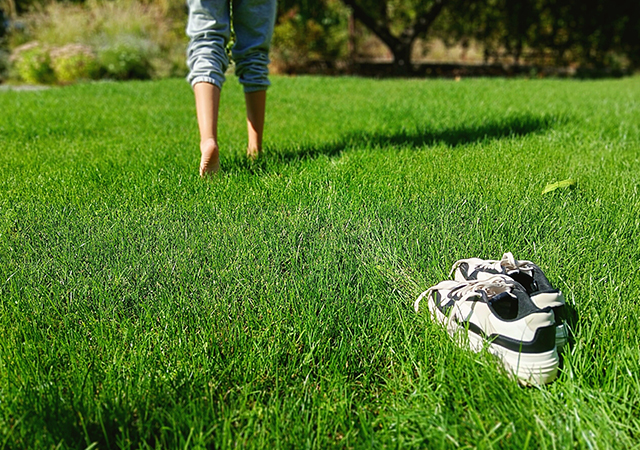
Nature has a remarkable ability to calm your nervous system. When you can, spend time outdoors. Walk barefoot on grass or sand, a practice called grounding. Studies suggest that letting your bare feet touch the earth can decrease stress hormones and improve your mental wellbeing.
Can’t get outside? Bring nature to you. Open your windows for fresh air, tend to houseplants, or simply sit in natural sunlight. Morning sunlight is particularly beneficial for you, helping regulate your circadian rhythm and supporting better sleep, which in turn helps your body manage stress more effectively.
Nourish your body thoughtfully
What you eat directly affects how you feel. When you fill your plate with whole foods, vegetables, fruits, quality proteins, and healthy fats, you’re providing your nervous system with the nutrients it needs to function properly.
Stay hydrated with plenty of fresh, filtered water throughout your day. Avoid caffeine and sugar, which can spike your cortisol levels and leave you feeling more anxious. Eliminate alcohol, too, as it disrupts your sleep and mood regulation, increasing your stress rather than relieving it.
Pay attention to how meal timing affects your stress levels. When you eat regular, balanced meals, you prevent blood sugar spikes and crashes that can trigger irritability and anxiety.
Embrace laughter and music
Joy is therapeutic. Laughter delivers measurable healing benefits to your body and mind. When you laugh, your body releases endorphins, natural chemicals that relieve pain and boost your mood. Laughter reduces cortisol levels by up to 37%, actively lowering your stress hormones. Laughter also relaxes your muscles, improves blood flow, and strengthens your immune system by increasing natural cell activity. The effects are so profound that scientists suggest laughter works similarly to exercise, creating positive physiological changes throughout your body. That deep belly laugh that brings tears to your eyes and leaves you breathless truly is medicine for every cell.
Spend time with people who genuinely make you laugh. Host a games night with friends, swap jokes over tea, or enjoy conversations that bring out everyone’s silly side. Engage in activities that naturally invite laughter. Play with children or pets, have a dance party in your kitchen, or dust off board games for some friendly competition and joy. Share funny stories from your day to spark contagious laughter that lifts your spirits.
Music has profound effects on your stress. Slow, calming music can lower your heart rate and blood pressure, while upbeat tunes can energise and elevate your mood. Creating playlists for different emotional needs and using music intentionally as medicine for your soul.
Talk it out
Stress thrives in isolation. You don’t have to carry it alone. Sharing your feelings with a trusted friend, family member, counsellor, or support group can provide you with perspective, validation, and relief. Real conversations create genuine human connection that reminds you that you’re not alone.
If you’re experiencing overwhelming stress, anxiety, or panic attacks, reach out to a mental health professional. There’s no shame in asking for help. It’s a sign of your strength and self-awareness.
Support your nervous system naturally
Sometimes your body needs additional support. Natural supplements can gently strengthen your nervous system and help you cope with daily stressors.
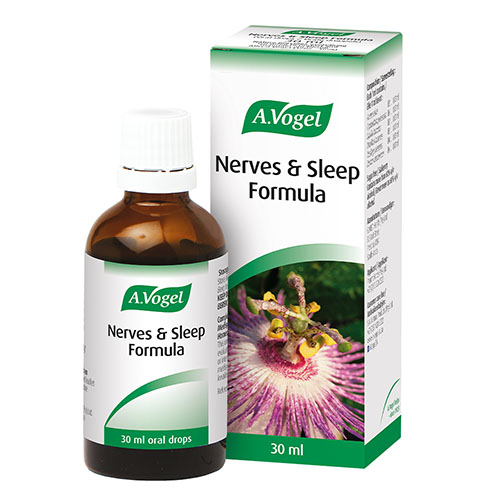 |
A.Vogel Nerves & Sleep: A.Vogel Nerves & Sleep is a homeopathic medicine for the supportive treatment of nervousness, nervous exhaustion and sleeplessness. |
 |
A.Vogel Neuroforce: A.Vogel Neuroforce is a tonic which assists with the treatment of mild anxiety, nervous stress and mental fatigue. |
 |
Irma’s Rescue: A range of emotional health remedies, containing natural homeopathic medicines and flower essences to provide relief during life’s toughest moments. |
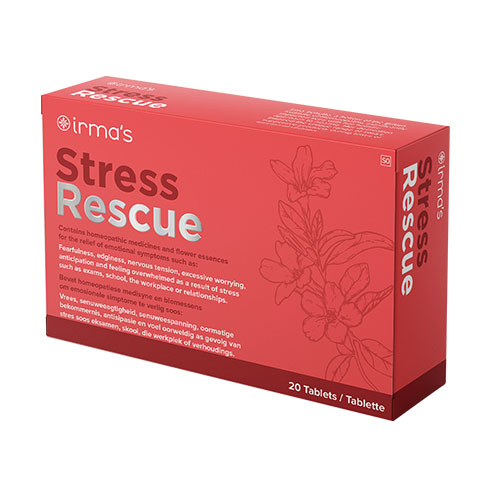 |
Irma’s Stress Rescue is for the relief of emotional symptoms like fearfulness, edginess, nervous tension, excessive worrying, anticipation and feeling overwhelmed. |
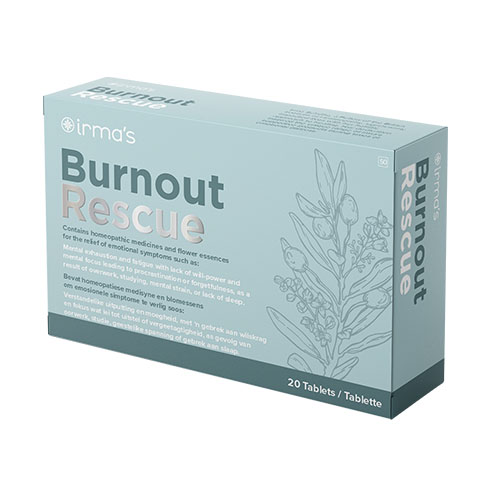 |
Irma’s Burnout Rescue relieves emotional symptoms including mental exhaustion and fatigue, with lack of will-power and mental focus leading to procrastination or forgetfulness. |
 |
Irma’s Panic Rescue is used to relieve sudden overwhelming sensation of fear, terror or feeling out of control with accompanying symptoms like anxiety and heaviness in the chest, racing heart or uneasy breathing. |
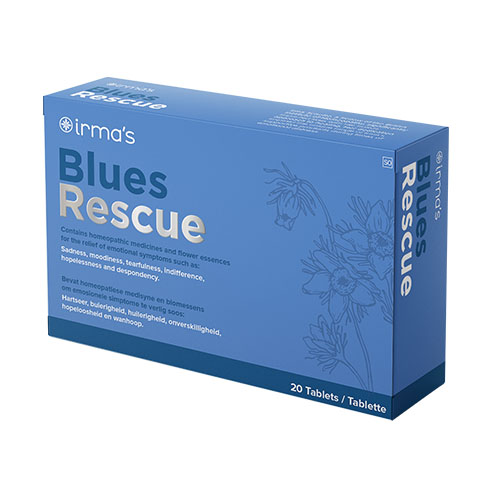 |
Irma’s Blues Rescue is for the relief of sadness, moodiness, tearfulness, indifference, hopelessness and despondency. |
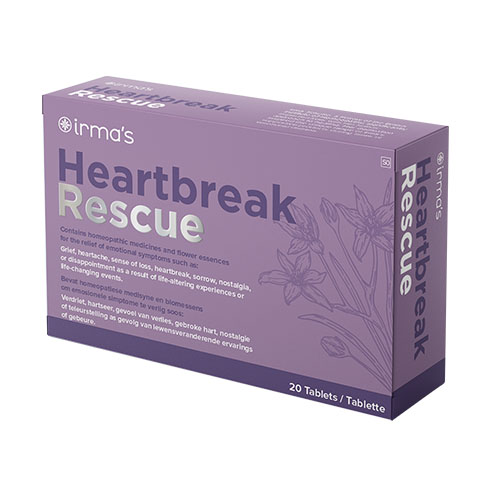 |
Irma’s Heartbreak Rescue relieves emotional symptoms including grief, heartache, sense of loss, heartbreak, sorrow, nostalgia, or disappointment as a result of life-altering experiences or life-changing events. |
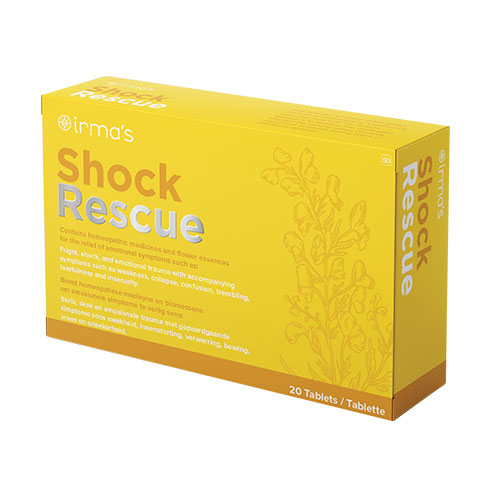 |
Irma’s Shock Rescue is used to relieve fright, shock, and emotional trauma with accompanying symptoms including weakness, collapse, confusion, trembling, fearfulness and insecurity. |
We always recommend using supplements alongside healthy lifestyle practices, not as replacements for them.
Create daily habits that prevent stress buildup
Prevention is always easier than a cure. Small daily practices create strength against stress:
- Begin each morning with five minutes of quiet reflection or gratitude in the morning sunlight.
- Take regular breaks throughout your day to stretch and breathe.
- Establish a calming evening routine that signals to your body it’s time to wind down.
- Prioritise consistent sleep and wake times.
- Say no to commitments that drain rather than energise you.
Building your personal wellness practice
Managing your stress isn’t about perfection or eliminating all tension from your life. You must build practices that help you navigate challenges with greater ease and resilience. Some days will be harder than others, and that’s okay. Every day is a new opportunity to take care of yourself.
The path to balance begins with a single step. What will yours be today?
References and additional reading:
- Menigoz, W., Latz, T.T., Ely, R.A., Kamei, C., Melvin, G. and Sinatra, D. (2020) ‘Integrative and lifestyle medicine strategies should include Earthing (grounding): Available at: https://www.sciencedirect.com/science/article/pii/S1550830719305476
- Oschman, J.L., Chevalier, G. and Brown, R. (2015) Welldoing (2024) Earthing: The benefits of being barefoot. Available at: https://welldoing.org/article/earthing-benefits-being-barefoot
- Harvard Health Publishing (2020) Exercising to relax. Available at: https://www.health.harvard.edu/staying-healthy/exercising-to-relax
- Perciavalle, V., Blandini, M., Fecarotta, P., Buscemi, A., Di Corrado, D., Bertolo, L., Fichera, F. and Coco, M. (2017) ‘The role of deep breathing on stress’, Neurological Sciences, 38(3), pp. 451-458. Available at: https://pubmed.ncbi.nlm.nih.gov/27995346/
- Raleigh, S. (2025) ‘Calming cortisol levels with breathing’, Restoration Healthcare. Available at: https://rhealthc.com/sleep/calming-cortisol-levels-with-breathing/
- Mayo Clinic (2023) Stress relief from laughter? It’s no joke. Available at: https://www.mayoclinic.org/healthy-lifestyle/stress-management/in-depth/stress-relief/art-20044456
- Anxiety and Depression Association of America (n.d.) Exercise for stress and anxiety. Available at: https://adaa.org/living-with-anxiety/managing-anxiety/exercise-stress-and-anxiety
- Cleveland Clinic (2023) Endorphins: What they are and how to boost them. Available at: https://my.clevelandclinic.org/health/body/23040-endorphins
- Nebraska Medicine (2023) Digital detox: Take a break from technology to boost mental health. Available at: https://www.nebraskamed.com/behavioral-health/digital-detox-take-a-break-from-technology-to-boost-mental-health
- Mayo Clinic (2023) Stress relief from laughter? It’s no joke. Available at: https://www.mayoclinic.org/healthy-lifestyle/stress-management/in-depth/stress-relief/art-20044456
- HelpGuide.org (2025) Laughter is the best medicine. Available at: https://www.helpguide.org/mental-health/wellbeing/laughter-is-the-best-medicine
Listen to the podcasts here: Irma’s Rescue Range – for emotional tough times