



7 Minutes
In this article we answer the following questions:
- What is sciatica?
- What causes sciatica nerve pain?
- What does sciatica feel like?
- Which gentle exercises can help relieve sciatica?
- Which natural remedies can help with sciatica pain?
You may find yourself planning your day around where you can sit, how long you can drive, or whether you will manage that meeting, school run, or shopping trip without your leg giving you trouble.
Understanding what is happening along the sciatic nerve is the first step towards taking control and choosing treatments that support healing rather than masking pain. In this article, we will explore what sciatica is, why it happens, and practical ways to manage it with integrative physical therapies and gentle, natural support.
What is sciatica?
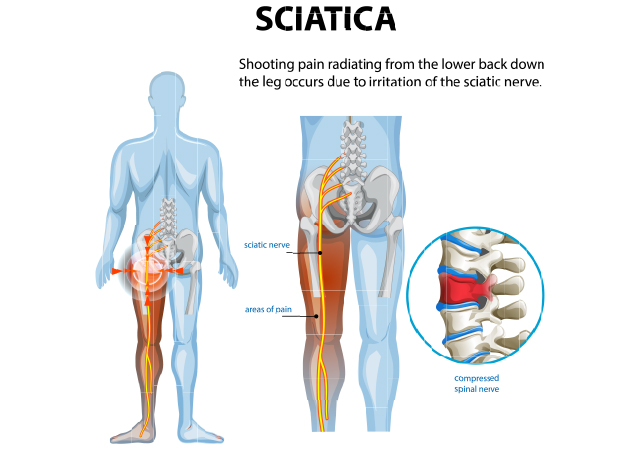
Sciatica is pain caused by irritation, inflammation, or compression of the sciatic nerve, the large nerve that runs from your lower back through your buttocks and down the back of each leg. The pain may travel from the lower back into the buttock, thigh, calf, or even the foot. Some people experience it as more of a deep, nagging discomfort, while others feel sudden shooting pains that take their breath away.
What causes sciatica?
Anything that narrows the space around the nerve or causes local inflammation can trigger sciatica. Common causes include:
- A herniated or “slipped” disc in the lower back pressing on the nerve roots.
- Age-related changes, like spinal stenosis (narrowing of the spinal canal) or degenerative disc disease.
- Tight muscles around the hip, especially the piriformis muscle in the buttocks, can squeeze or irritate the sciatic nerve.
- Joint dysfunction, postural problems, or previous injuries that alter the way you move and load your spine.
- Long hours of sitting, poor core strength, and unbalanced movement patterns can slowly overload the lower back and hips, eventually irritating the sciatic nerve.
What sciatica feels like, and when to get help
Sciatica often causes pain in the lower back, buttock, and one leg, and it is usually worse when you sit for a long time, cough, or bend forward. You may also notice numbness, tingling (pins and needles), or a burning feeling anywhere along the leg. Your leg or foot can feel weak, or you may struggle to stand on your toes or heels.
Sciatica is more common between the ages of 30 and 60, especially if you spend many hours sitting, do heavy physical work, or suddenly increase your training. Carrying extra body weight, being pregnant, or having a history of back injuries can all put more strain on the lower spine and make sciatica more likely.
Red flags that need urgent medical care are bowel or bladder problems, fevers, chills and night sweats and severe or rapidly worsening weakness or pain. If any of these occur, it is important to see a healthcare professional.
Movement that heals
-
Piriformis stretch
When the piriformis muscle in the buttock is tight, it can compress the sciatic nerve; stretching it relieves the compression. There are a few different ways to stretch this muscle, depending on your level of pain and physical ability.
-
Bird-dog arm and leg lift
While on your hands and knees, slowly lift the opposite arm and leg to build core and spinal stability without compressing the lower back. This exercise teaches the deep abdominal and back muscles to share the load, reducing strain on the irritated nerve roots.
-
Pilates-style bridge
Lying on your back with knees bent, lift your hips into a bridge to strengthen your glutes and hamstrings and improve pelvic alignment. Stronger hips take pressure off the lower back and help prevent future flare-ups.
-
Cat–cow stretch
On all fours, move between a gently arched back (cow) and a rounded back (cat) to improve your spinal mobility and encourage fluid joint movement. Rhythmic motion helps to reduce stiffness and ease lower back tension that aggravates sciatica.
These exercises should feel like a stretch or mild effort, not a sharp increase in pain. If a movement worsens your symptoms, ease out of it and discuss alternatives with your physiotherapist, chiropractor, or biokineticist.
Hands-on therapies
Hands‑on therapies can be very helpful alongside exercises. Acupuncture and dry needling use fine needles to release tight muscles and improve blood flow around the lower back and buttocks, helping to calm irritated nerves. Chiropractic care uses gentle spinal and pelvic adjustments to restore more natural movement and ease pressure on the sciatic nerve. Massage supports this by relaxing tight, ‘guarding’ muscles in the lower back and buttocks, improving circulation and easing the tension that builds up as your body tries to protect the painful area.
Supportive natural treatments
 |
A.Vogel Petadolor Analgesic Formula A.Vogel Petadolor Analgesic Formula is a homoeopathic combination that supports relief of a wide range of nerve pain. It contains remedies traditionally used for sharp, shooting nerve pains, spasmodic muscle pain, and pain arising from spinal nerves, which is particularly relevant in sciatica. Adults and children over 12 typically take 10 drops four times daily, reducing the dose as symptoms improve, or as directed by a healthcare provider. |
 |
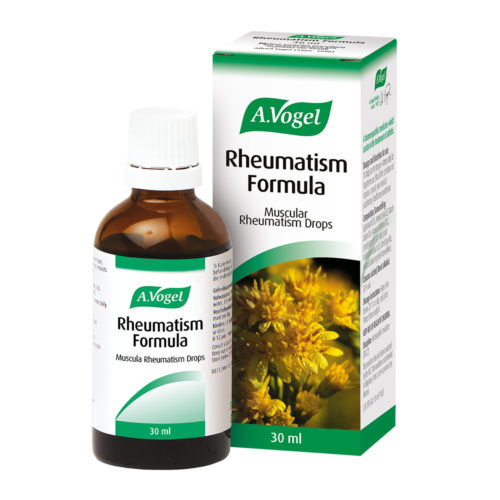
A.Vogel Rheumatism Formula A.Vogel Rheumatism Formula is a homeopathic medicine used as supportive treatment in rheumatism and musculoskeletal discomfort, helping to ease mild to moderate pain and inflammatory stiffness in soft tissues and joints. It can be a useful adjunct where sciatica is accompanied by generalised back or hip aching linked to acidity and chronic inflammation. |
|
Anti-inflammatory herbal support
|
|
 |
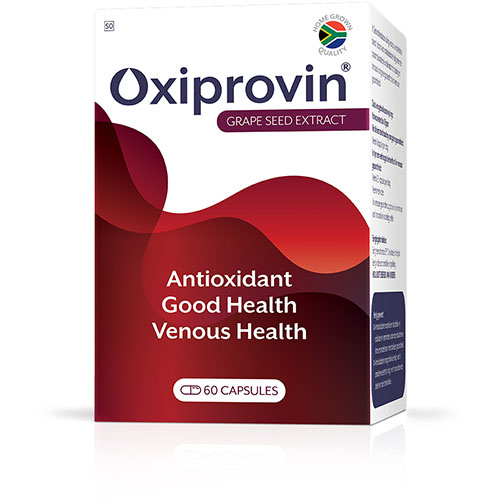
Oxiprovin Oxiprovin is a grape seed extract that works as a strong natural antioxidant. Oxiprovin helps to neutralise free radicals and reduce oxidative stress which leads to ongoing wear and tear on cells that can drive long‑term inflammation and tissue damage, including in the spine and joints.Oxiprovin supports your antioxidant defences, offering balanced protection for your cells and can form a helpful part of long‑term care for chronic inflammatory conditions |
 |
A.Vogel VegOmega3 A.Vogel VegOmega3 fatty acids modulate inflammatory pathways throughout the body. Taken regularly, they can ease joint pain and stiffness, and many people with ongoing muscle and joint pain find that a good quality omega‑3 supplement helps them feel more comfortable over time. |
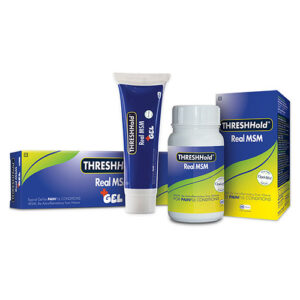 |
THRESHHold Real MSM tablets and gel MSM is a natural sulphur‑containing compound that helps to keep your joints, cartilage, and other supporting tissues strong and flexible. THRESHHold Real MSM tablets support the body’s own anti‑inflammatory and antioxidant processes and are often used to ease everyday pain and stiffness, including discomfort related to back problems. The question is, how much THRESHHold Real MSM does your body require to have better mobility? Three or 6 tablets daily?
THRESHHold Real MSM Gel is applied directly to sore areas to give local relief for painful muscles and joints, helping with pain, swelling, and stiffness when used several times a day. Using the tablets and gel together supports both deeper tissue comfort and surface relief in a gentle, natural way. |
Practical daily strategies
- Don’t stay in one position for too long. Alternating between sitting, standing, and short walks can help prevent your back from stiffening.
- Warm and cold compresses over the lower back or buttocks for 15–20 minutes can ease pain and tight muscles. Cold will soothe the initial pain, and then a warm compress to relax the tight muscles.
- Your body heals best when it is well nourished. Focus on a variety of fruits and vegetables, high-quality lean protein, good-quality fats, and avoid sugary, processed foods.
- Prioritise sleep and stress management. Good‑quality sleep and simple stress‑management practices, like breathing exercises or gentle stretching in the evening, can lower your pain sensitivity and support your body’s natural healing.
Living with sciatica can be overwhelming, especially when pain has been part of your life for a while. Understanding what is happening in your body, moving in ways that support rather than strain your spine, and using natural therapies that calm inflammation and protect your tissues can help to ease symptoms over time. Small, steady changes often make the biggest difference.
References and additional reading:
- 9 sciatica stretches to ease nerve pain (no date) Healthline. Available at: https://www.healthline.com/health/back-pain/sciatic-stretches
- Sciatica (2024) Mayo Clinic. Available at: https://www.mayoclinic.org/diseases-conditions/sciatica/diagnosis-treatment/drc-20377441
- Sciatica pain: Causes, symptoms, and exercises (no date) hingehealth. Available at: https://www.hingehealth.com/resources/articles/sciatica-pain/
- Sciatica: Putting pain and other symptoms behind you (2025) Cleveland Clinic. Available at: https://my.clevelandclinic.org/health/diseases/12792-sciatica
- Jagannathan, J. (2020) Sciatic nerve anatomy, Spine-health. Available at: https://www.spine-health.com/conditions/spine-anatomy/sciatic-nerve-anatomy