





In this article we answer the following questions:
- What are the most common causes of constipation?
- Can a high-protein diet make me constipated?
- What is the difference between soluble fibre and insoluble fibre?
- Which foods support healthy bowel movements?
- When should I see a healthcare professional for constipation?
Constipation generally means not having a regular, daily bowel movement, passing hard or dry stools, straining, or feeling like your bowel hasn’t emptied properly. Constipation is more common than you may think, but is also often easily treated by simple lifestyle changes.
What causes constipation?
A low-fibre diet is one of the most common reasons for constipation. Diets heavy in refined grains, processed foods and animal-based protein can leave the bowel without enough natural fibre to move waste along efficiently.
The colon absorbs water from waste as it moves through the bowel. When you don’t drink enough fresh, filtered water, stools become harder and more difficult to pass.
Long periods of limited movement or inactivity can slow your bowel function.
Ignoring the urge to use the toilet can disrupt the body’s natural rhythm. You may delay going because you’re busy, travelling or uncomfortable using a public bathroom. Repeatedly postponing a bowel movement may make the urge less noticeable and result in drier and harder stools.
Travel, changes in routine, disrupted sleep, stress and changes in eating patterns can affect bowel habits. Pregnancy may also contribute to constipation due to hormonal changes and pressure on the bowel as your baby grows.
Some medicines, including opioid pain medicines, some antidepressants, iron supplements, and antacids containing calcium or aluminium, may cause constipation as a side effect. Constipation can also be linked to health conditions, including irritable bowel syndrome, an underactive thyroid, diabetes, Parkinson’s disease and multiple sclerosis.
Your diet needs balance
Protein is currently a major health trend. Protein shakes, high-protein snacks and protein-packed meals feature heavily in social media feeds and supermarket aisles.
While meat, chicken, fish and eggs provide protein, they don’t contain dietary fibre. A high-protein eating pattern that doesn’t include fibre-rich plant foods or a diet that includes large amounts of processed foods will contribute to constipation.
A healthier approach is to build balanced, whole food meals. Include protein, then add fibre-rich foods. A chicken salad can include avocado, chickpeas, seeds and vegetables. Eggs can be served with spinach, mushrooms, tomatoes and wholegrain toast.
Making room for fibre-rich foods supports more than day-to-day regularity. Denis Parsons Burkitt, a renowned surgeon said, “Societies that eat unrefined foods produce large stools and build small hospitals; societies that eat fibre-depleted foods produce small stools and build large hospitals.”
Dietary fibre and whole grains are linked with a lower risk of colorectal cancer. Poor eating habits, inactivity, alcohol, obesity and smoking also raise your risk of developing cancer. No single food determines your future health, but your daily food choices do make a lifelong difference to your bowel health.
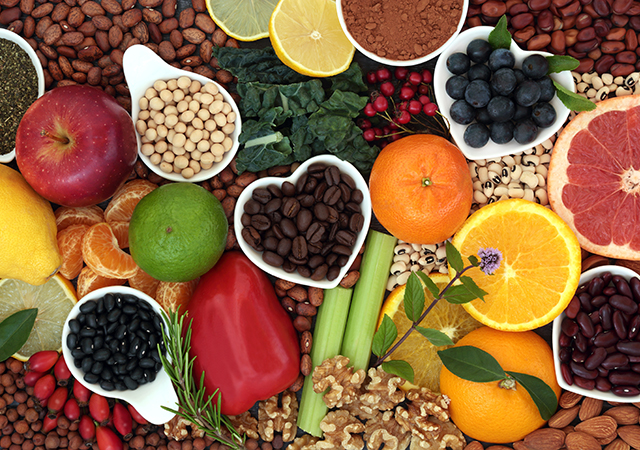
The two types of fibre
Fibre supports regular bowel movements, feeds beneficial gut bacteria and contributes to softer, bulkier stools. There are two different types of fibre.
- Soluble fibre dissolves in water and forms a gel-like substance in the digestive tract. It supports healthy cholesterol and stabilises blood sugar levels. Oats, beans, peas, lentils, apples, citrus fruit, avocado and psyllium are good sources of soluble fibre.
- Insoluble fibre does not dissolve in water. It adds bulk to stools and helps food move through the digestive system. Whole grains, wheat bran, vegetables, nuts and seeds are rich sources.
Both types of fibre are important for comfortable bowel function.
Foods that support healthy bowel movements
Adding more fibre to your diet can be as simple as sprinkling chia seeds into your yoghurt or adding a handful of nuts to your mid-morning snack. Here are some simple ways to increase your fibre intake:
- Chia seeds can be added to porridge, smoothies or yoghurt.
- Lentils, split peas and black beans work well in soups, curries, salads and stews.
- Oats are a simple breakfast option with endless ways to be customised.
- Raspberries, passion fruit, pears and apples offer fibre in a naturally sweet form.
- Artichokes, leafy vegetables and avocado add variety to meals.
- Almonds and other nuts provide fibre and healthy fats.
- Air-popped popcorn is a healthy, wholegrain snack. Use A.Vogel Herbamare for a delicious seasoning.
White bread, white rice, refined pasta, cakes and commercial baked goods provide much less fibre. Replacing some refined staples with wholegrain, homemade alternatives can lift your daily fibre intake.
Most adults need approximately 25 to 38 g of fibre each day, depending on age and sex. When you begin to increase your fibre intake, do it gradually over several weeks to give your digestive system time to adjust.
Small steps for a happier bowel
Aside from adding fibre-rich food to your diet, drink water and move your body daily. Walking, stretching, gardening, dancing or swimming all encourage natural bowel movement. Listen to your body. Make time for a relaxed bathroom break when your body tells you it’s ready for a bowel movement.
Your gut is home to a community of beneficial microorganisms, which play a role in digestion and bowel regularity. They must be nourished and supported. Prebiotics are fibres and natural compounds that feed these beneficial bacteria. Probiotics are live beneficial microorganisms found in fermented foods like yoghurt, kefir and sauerkraut. Postbiotics are the helpful compounds created when these bacteria feed on prebiotics. Together, they create a healthier gut environment and more comfortable digestion.
Natural support for your gut health
Gut health starts with the basics. When you need a little extra help, these natural products can offer support and relief:
 |
A.Vogel Molkosan is a prebiotic containing L(+) lactic acid, which nourishes existing beneficial gut bacteria as part of a wider approach to bowel regularity. Here at Living Naturally we often hear feedback from customers who love the more regular bathroom breaks they achieve by taking Molkosan daily before meals. One lady commented that Molkosan is her most favourite drink to quench thirst and help her have a happy, healthy gut. Another said that Molkosan changed her life forever and she is free of constipation. Molkosan has been trusted in many countries for the past 100 years plus. |
| . | . |
 |
A.Vogel Linoforce is A.Vogel’s most beloved product in Spain. Linoforce, containing linseeds, senna and frangula, is full of fibre and can be used as a laxative to relieve constipation. It’s important to use laxatives only when necessary, and to stop using the product once your constipation has been relieved. |
| . | . |
 |
A.Vogel Multiforce is a pH mineral supplement that contains magnesium citrate. Magnesium citrate is friendly to the body and helps to promote bowel movement, while the other minerals in Multiforce systemically help to correct the pH of the body and thereby promoting better digestion too. Take Multiforce in the evening before bedtime with a glass of water and start your day with a bowel that empties easily so that you can enjoy a day with a colon that is happy! |
| . | . |
When to ask for support
Often, constipation will improve with simple, consistent lifestyle changes. If symptoms continue, feel severe or are causing you concern, speak to your healthcare professional for personalised guidance. It is especially important to get advice if you notice blood in your stool, ongoing stomach pain, unexplained weight loss or a sudden, lasting change in your usual bowel habits.
A kinder way forward
Hippocrates, the father of medicine said, “All disease begins in the gut.”
Your gut is closely connected to the brain through the gut-brain axis, which is why stress can affect your digestion and your mood. Your gut also influences your immune system and skin health. Our Living Naturally customers often share how treating the gut has improved their skin, including eczema and psoriasis. The digestive tract is a 9-meter-long organ that is vital to overall health and hence why food choices and drinking enough water daily is a gift to your whole body.
Your gut responds to the small choices you make each day. Start where you are. Add one fibre-rich food this week, and then another the following week. Add a daily walk and drink more water. Once you have established those habits, make space for a relaxed bathroom routine. Build your routine with small, manageable steps to help your body find a more comfortable rhythm, one day at a time.
References and additional reading:
- Mayo Clinic (2026) ‘Fibermaxxing: Is this TikTok trend good for you?’. Available at: https://mcpress.mayoclinic.org/nutrition-fitness/fibermaxxing-is-this-tiktok-trend-good-for-you/
- Harvard T.H. Chan School of Public Health (n.d.) ‘Fiber’. The Nutrition Source. Available at: https://nutritionsource.hsph.harvard.edu/carbohydrates/fiber/
- NHS (2022) ‘Good foods to help your digestion’. Available at: https://www.nhs.uk/live-well/eat-well/digestive-health/good-foods-to-help-your-digestion/
- Cancer Australia (2025) ‘Diet’. Available at: https://www.canceraustralia.gov.au/resources/position-statements/lifestyle-risk-factors-and-primary-prevention-cancer/lifestyle-risk
- Cancer Association of South Africa (CANSA) (2025) Colorectal Cancer – The Power of Balance – Fibre and Gut Health. Available at: https://cansa.org.za/colorectal-cancer-the-power-of-balance-fibre-and-gut-health/
- Mayo Clinic (2021) ‘Mayo Clinic Q and A: Increasing fibre intake for constipation relief’. Available at: https://newsnetwork.mayoclinic.org/discussion/mayo-clinic-q-and-a-increasing-fibre-intake-for-constipation-relief/
- National Health Service (NHS) (2022) ‘Good foods to help your digestion’. Available at: https://www.nhs.uk/live-well/eat-well/digestive-health/good-foods-to-help-your-digestion/
- National Institute of Diabetes and Digestive and Kidney Diseases (NIDDK) (2026) ‘Symptoms and causes of constipation’. Available at: https://www.niddk.nih.gov/health-information/digestive-diseases/constipation/symptoms-causes
- National Institute of Diabetes and Digestive and Kidney Diseases (NIDDK) (2026) ‘Treatment for constipation’. Available at: https://www.niddk.nih.gov/health-information/digestive-diseases/constipation/treatment