
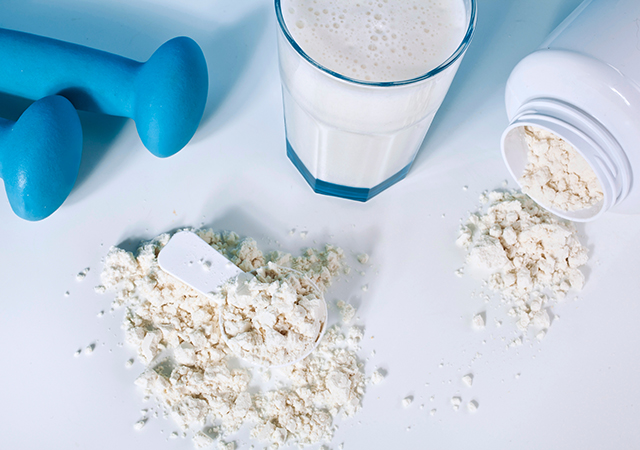







In this article we answer the following questions:
- How much protein do you actually need per day?
- What is the difference between animal and plant protein?
- Do you need protein supplements to meet your protein goals?
- Is a high-protein diet safe for everyone?
- What natural remedies support the body when eating a high-protein diet?
You’ve probably noticed protein everywhere lately. There’s extra protein in your yoghurt, your milkshake, even your pasta. Endless videos on social media urge you to add cottage cheese to every meal or buy the latest powder promising fast results.
Somewhere in the clever marketing, the truth has been obscured. Protein is vital, but chasing more of it is not the same as caring for your health. In this article, we will explore how much protein you actually need and whether you are getting it from sources that truly nourish your body.
What is protein?
Protein is one of three macronutrients your body needs in large amounts, alongside carbohydrates and fats. Protein is made up of smaller building blocks called amino acids.
There are twenty amino acids in total, nine of which your body cannot make on its own. The nine amino acids must come from the food you eat, which is why the source and variety of your protein is just as important as the amount.
Almost every system in your body needs protein. A protein or amino acid deficiency weakens your immune system and makes you more susceptible to illness. Protein repairs tissue and builds muscle. Collagen, the structural protein responsible for the strength of your skin, hair, and nails, is built from the protein you eat. Protein helps you feel fuller for longer, suppressing hunger hormones and balancing blood sugar after meals.
Why is everyone talking about protein?
Protein is the current darling of health and fitness culture. Fitness influencers build entire followings around hitting daily protein targets. Wellness brands have turned a basic macronutrient into a lifestyle identity.
The protein craze has its origins in real health benefits, but the conversation has lost its nuance. Protein, one part of a balanced diet, has been marketed as the answer to almost everything, with more protein sold as inherently better regardless of what your body really needs.
How much protein do we actually need?
Everyone’s nutritional needs are different. The amount of protein you need might be very different to your trainer, your partner or your colleague.
The baseline recommendation is around 0.8g of protein per kilogram of body weight per day. Active people need more protein, closer to 1.4–2.0g/kg/day, to support training and recovery. Older adults need roughly 1.0–1.2g/kg/day because ageing bodies become less efficient at using protein for muscle repair.
Balance is more important than chasing a number. Good health depends on movement, sleep, and overall nutrition working together, not protein in isolation.
Not all protein is equal
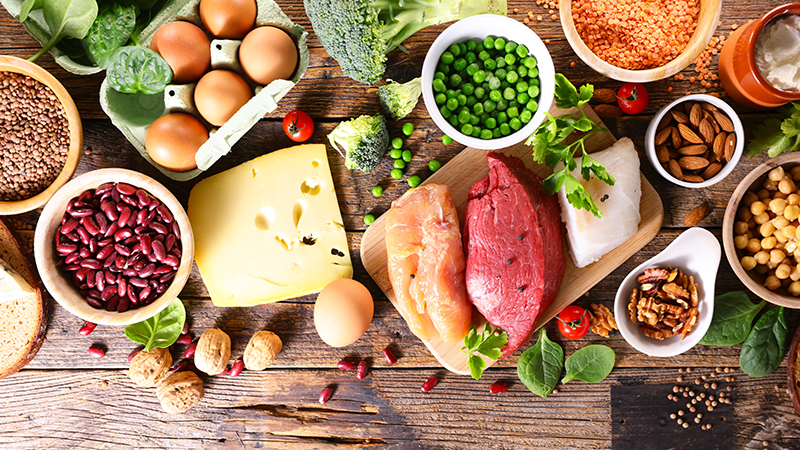
The quality of your protein matters just as much as hitting a number. Animal proteins, like meat, fish, eggs, and dairy, are complete proteins. They contain all nine essential amino acids that your body can’t make on its own.
Fish, especially fatty varieties like salmon and sardines, also contain omega-3s, which support your heart and help to keep inflammation in check. Chicken and other poultry are lean proteins, making them a good everyday source of protein.
Red meat provides valuable iron and B vitamins, but eating too much red meat has been linked to a higher risk of heart disease and type 2 diabetes. Eating too much processed meat has been linked to a higher risk of bowel cancer because of the salt and preservatives used in curing and processing.
Eating a variety of plant proteins across the day can also give your body everything it needs. Beans, lentils, nuts, seeds, and whole grains, eaten together, cover the full range of amino acids you need. Some plant foods, like quinoa, tofu, and hemp seeds, are complete proteins all on their own.
Choosing a mix of fish, poultry, plant sources, and modest amounts of red meat provides your body with the full spectrum of benefits, rather than relying too heavily on any single protein source.
Separating fact from fitness fiction
- More protein equals better health. Not necessarily. Once your needs are met, extra protein offers little additional benefit for most healthy people.
- You need protein supplements to meet your goals. Most people already get enough protein from everyday food. This trend is often driven by clever marketing rather than genuine biological need.
- A high-protein diet suits everyone. Not true. People managing kidney disease, diabetes, or hypertension often need to be cautious with protein intake and should speak to a healthcare provider first.
The truth is simple. Your diet as a whole is more important than any single nutrient.
Supplements to support your wellbeing
 |
A.Vogel NephrosolidYour kidneys work hard to process the protein you eat, filtering out the by-products your body doesn’t need. Support your kidneys with A.Vogel Nephrosolid. A.Vogel Nephrosolid is a herbal tonic that can help maintain healthy kidney function, especially if your diet is high in protein. |
| . | . |
 |
A.Vogel MolkosanA healthy gut plays an important role in how your body processes everything you eat, protein included. A.Vogel Molkosan, a naturally fermented whey tonic rich in L+ lactic acid, supports healthy gut bacteria and eases the bloating that can come with a heavier protein intake. |
| . | . |
 |
A.Vogel MultiforceMeat, dairy, and other protein-rich foods are naturally acid-forming. Your body works hard to keep your pH in balance. A.Vogel Multiforce Alkaline Powder is a multimineral supplement that supports your body’s natural pH-regulating mechanisms, helping to offset the acidity that comes with a higher protein intake. |
| . | . |
Balance is the real goal
Protein works best as part of a plate that also includes healthy fats, whole grains, and plenty of vegetables and legumes. Legumes provide protein and fibre in one package, alongside benefits for cholesterol and heart health. Eating with variety and intention is healthier than chasing one nutrient in isolation.
Health and wellness trends come and go. The Atkins diet was replaced by Banting, which was replaced by the carnivore diet. Instead of chasing trends, choose a balanced way of eating backed by decades of evidence and research. The Mediterranean diet has been linked to better heart health, lower rates of diabetes, and protection against cognitive decline.
The Mediterranean diet isn’t really a diet in the restrictive sense of the word. It’s a lifestyle that favours colourful, seasonal vegetables and fruits, oily fish, and extra virgin olive oil, with nuts and seeds, legumes, and wholegrains as everyday staples.
Home-cooked meals are at the heart of the Mediterranean diet, shared around a table with the people you love. Red meat is saved for special occasions. Every meal is an opportunity to nourish your body and spirit, not just to fill up.
Forget perfect macros and viral trends. Real, lasting health is built on variety, balance, and habits you can stick with.
References and additional reading:
- GoodRx Health (2024) Plant vs. Animal Protein: Which Is Healthier? Available at: https://www.goodrx.com/well-being/diet-nutrition/plant-vs-animal-protein
- Harvard T.H. Chan School of Public Health (2018) Diet Review: Mediterranean Diet. Available at: https://nutritionsource.hsph.harvard.edu/healthy-weight/diet-reviews/mediterranean-diet/
- Healthline (2025) Protein Propaganda: Is More Protein Really Always Better? Available at: https://www.healthline.com/health/nutrition/protein-propoganda
- Health.com (2025) 8 Protein Myths You’ve Probably Heard (And What’s Actually True). Available at: https://www.health.com/protein-myths-debunked-11767831
- Health.com (2026) 11 High-Protein Foods To Eat on the Mediterranean Diet. Available at: https://www.health.com/high-protein-foods-mediterranean-diet-11916523
- Cleveland Clinic (2022) Do I Need to Worry About Eating Complete Proteins? Available at: https://health.clevelandclinic.org/do-i-need-to-worry-about-eating-complete-proteins
- MacroXray (2026) Protein Powder vs Whole Foods: Which Packs the Most Punch? Available at: https://www.macroxray.com/articles/protein-powder-vs-whole-foods
- Medical Daily (2026) 7 Protein Myths Debunked: The Truth About Protein Intake, Muscle and Kidney Health. Available at: https://www.medicaldaily.com/7-protein-myths-debunked-truth-about-protein-intake-muscle-kidney-health-474851
- Prevention (2021) 5 Myths About Protein to Stop Believing Now. Available at: https://www.prevention.com/food-nutrition/healthy-eating/a37503019/protein-myths/
