









In this article we answer the following questions:
- What is cross-contamination in food safety?
- How does cross-contamination happen in the home kitchen?
- What are the four types of food contamination?
- How do you sanitise kitchen surfaces naturally?
- Is washing hands better than wearing gloves when handling raw meat?
You wash your hands, you keep your kitchen tidy, and you store your leftovers in the fridge. Your kitchen looks clean, and to the naked eye, it is. Cleanliness and safety, however, are not always the same thing. Cross-contamination is a common and preventable cause of foodborne illness, and it happens in ordinary kitchens every single day. Understanding what cross-contamination is and how to prevent it could be one of the most important things you do for your family’s health.
What is cross-contamination?
Cross-contamination is the transfer of harmful bacteria, allergens, or other hazardous substances from one person, surface, food, or piece of equipment to another.
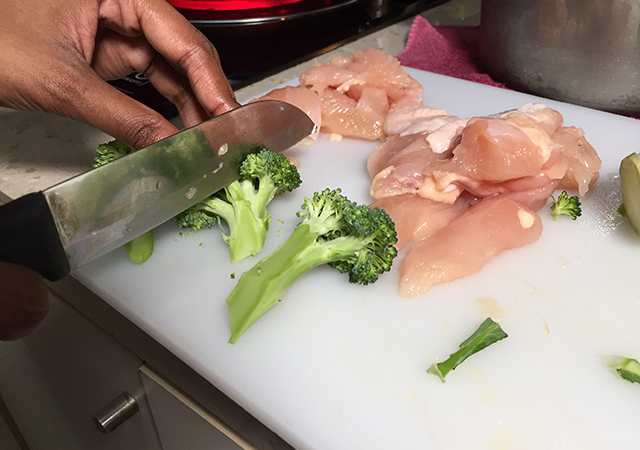
You may think contamination only happens in factories or restaurants. The truth is that it occurs every day, in ordinary kitchens, often through seemingly harmless habits, like using the same knife to chop chicken and then slice tomatoes, or wiping down a counter with a cloth that has already been used somewhere else. These small moments enable harmful microorganisms to travel from one part of the kitchen to another.
Why does it matter?
The consequences of cross-contamination can range from mild digestive discomfort to serious, life-threatening illness. Bacteria like Salmonella, E. coli, Listeria, and Campylobacter are some common culprits, and they thrive when allowed to move freely between surfaces and foods.
When someone has a severe allergy, even trace amounts of contamination can trigger reactions, especially when allergens like nuts, gluten, or dairy are involved.
The good news is that, with a little knowledge and careful preparation, cross-contamination is largely preventable.
Types of cross-contamination
- Biological contamination is the transfer of harmful microorganisms, including bacteria, viruses, moulds, and yeasts, between foods, surfaces, or hands. Biological contamination is a common cause of foodborne illness.
- Chemical contamination is easier to cause than you might think. Something as simple as not rinsing a surface properly after cleaning it can leave behind residues that don’t belong anywhere near your food.
- Physical contamination happens when fragments of packaging, glass, metal, or hair find their way into food.
- Allergenic contamination can be deadly. Even microscopic traces of allergens like peanuts, shellfish, dairy, or wheat can cause severe or even fatal reactions. A shared chopping board or a careless wipe of a surface can be enough to trigger a response.
High-risk everyday areas
That same cutting board used to prepare raw chicken and then vegetables, is one of the most common culprits. Kitchen cloths and sponges are warm, moist, and used on everything, which makes them very effective at spreading bacteria from one surface to the next. In the refrigerator, raw meats stored above ready-to-eat foods can drip onto everything below. Every surface you touch after handling raw food becomes a potential contamination point — door handles, spice jars, taps, even your phone. Rinsing raw meat under a running tap can splash bacteria onto surrounding surfaces and utensils in the process. Contamination can begin before you even get home. Shopping trolleys are not sanitised between uses. Raw meat placed directly into a trolley or bag can transfer bacteria to other groceries before you have even unpacked.
How to prevent cross-contamination
Prevention is built on four core principles: clean, separate, cook, and chill.
Wash your hands thoroughly and often
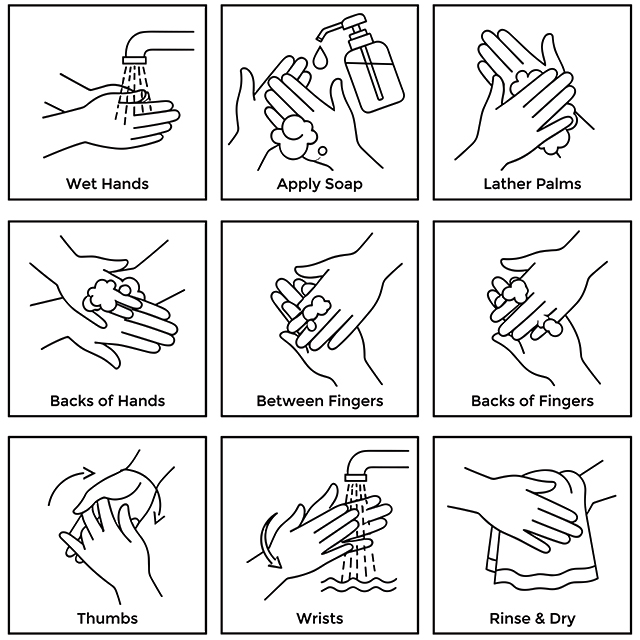
Wash your hands with soap and warm water for at least 20 seconds before and after handling food, after touching raw meat, after using the bathroom, and after handling pets. This single habit eliminates one of the most common pathways for bacterial spread.
Did you know? Many people use disposable gloves when handling raw meat, thinking it will prevent contamination. In reality, wearing gloves creates a false sense of security. People tend to touch far more surfaces without thinking to change them, spreading bacteria more widely than bare hands would. Bare hands, by contrast, feel dirty and prompt you to wash them. Food safety experts consistently find that proper, thorough handwashing is more effective than glove use in the home kitchen.
Separate raw and ready-to-eat foods
Use separate chopping boards and utensils for raw meat, fish, and poultry, and for fruits, vegetables, and ready-to-eat foods, In the refrigerator, always store raw meats in sealed containers on the lowest shelf, below cooked and ready-to-eat foods.
Sanitise surfaces naturally
Tea tree oil (Melaleuca alternifolia) has been used for centuries in traditional medicine, including treating wounds. During World War II, tea tree oil was included in medical kits for antiseptic use. Tea tree oil has broad-spectrum antibacterial, antifungal, and antiviral activity. Tea tree oil works on contact to kill harmful bacteria, making it a practical everyday cleaner for kitchen counters, chopping boards, sink areas, appliance handles, and any surface that regularly comes into contact with food or hands.
To make your own natural tea tree oil surface spray, mix 10 drops of Meluca tea tree oil with 100 mL of water.
Combine in a labelled spray bottle and shake well before each use. Spray onto kitchen surfaces, chopping boards, and countertops, and allow to sit for at least 2 minutes before wiping clean. This leaves no harmful residue behind and is safe for food-preparation areas. Tea tree oil is equally excellent for cleaning kitchen cloths, sponges, and mop heads. Simply add a few drops to your washing cycle for natural antibacterial protection.
Remember: always use tea tree oil diluted, and keep it away from your eyes. Store pure tea tree oil out of reach of children and pets.
Store food with care
Always store marinated food in the refrigerator, never on the counter. Store raw foods in sealed containers, below cooked or ready-to-eat foods in the fridge. Use the FIFO system (First In, First Out) so older items are used before newer ones. Rinse fresh fruits and vegetables under running water before use.
Replace and refresh kitchen tools
Chopping boards with deep grooves and cracked wooden spoons are difficult to sanitise properly and should be replaced on a regular basis. Kitchen cloths should be washed regularly in a hot wash cycle. You can add a few drops of tea tree oil to the washing for extra anti-bacterial power. Change your washing sponge frequently, and make sure it dries between uses.
A natural approach to a safer kitchen
You don’t have to completely overhaul your kitchen to keep your family safe. You just have to pay attention. Keep raw and ready-to-eat foods apart, sanitise your surfaces regularly with Meluca tea tree oil, and wash your hands more than you think you need to. Those habits, practised consistently, protect the people eating at your table.
References and additional reading:
- Centre for Food Safety (2025) Prevention of cross-contamination. Available at: https://www.cfs.gov.hk/english/trade_zone/safe_kitchen/Prevention_of_cross_contamination.html
- Centers for Disease Control and Prevention (2025) Preventing food poisoning. Available at: https://www.cdc.gov/food-safety/prevention/index.html
- Food Standards Agency (2024) Avoiding cross-contamination in your food business. Available at: https://www.food.gov.uk/business-guidance/avoiding-cross-contamination-in-your-food-business
- Minnesota Department of Health (2025) Prevent cross-contamination. Available at: https://www.health.state.mn.us/people/foodsafety/clean/xcontamination.html
- United States Department of Agriculture Food Safety and Inspection Service (2024) Food Safety Education Month: Preventing Cross-Contamination. Available at: https://www.fsis.usda.gov/news-events/events-meetings/food-safety-education-month-preventing-cross-contamination
- World Health Organization (2024) Food safety. Available at: https://www.who.int/news-room/fact-sheets/detail/food-safety
