









Why food labels are your health compass
Food labels are your roadmap to understanding exactly what you’re putting into your body. Under South African law, manufacturers must provide accurate information about their products. This legal requirement means you have access to important information that can help you avoid products that undermine your health goals.
Marketing claims on the front of packages can be misleading. A product might say it’s “low-fat”, but it’s also loaded with added sugars to compensate for flavour. “Natural” doesn’t guarantee healthy. Many natural ingredients can still contribute to health problems when consumed in excess. The real information lies in the detailed label on the back or side of the package.
How to read a food label like a pro
Start with serving size
Every nutrition label begins with serving size information, typically shown per 100g in South Africa. This standardisation makes comparing products easier. Pay attention to realistic portion sizes. That biscuit package might show nutrition information for one biscuit, but how many do you actually eat?
Decode the ingredients list
Ingredients are listed in descending order by weight. If sugar appears in the first few ingredients, you’re looking at a product where sugar is a major component. This simple rule can help you avoid products that might sabotage your health goals before you even taste them.
Navigate the nutritional table
- Total carbohydrates: This represents all carbohydrate content, including sugars, starches, and fibre. This figure shows you how the food might affect your blood glucose levels.
- Of which sugars: This breaks down how much of the total carbohydrate content comes from sugars, both natural and added.
- Dietary fibre: Fibre slows down sugar absorption and helps you feel fuller for longer. Look for products with at least 3g of fibre per serving for better blood sugar management.
- Sodium content: Excessive sodium consumption contributes to high blood pressure. Many processed foods contain high amounts.
Sugar on labels: The master of disguise
Sugar hides behind many names on ingredient lists. Learning to spot these aliases is important for managing your intake:
- Fructose, glucose, dextrose, maltose, sucrose
- High fructose corn syrup
- Fruit juice concentrates
- Agave nectar, maple syrup, honey
- Cane sugar, brown sugar
- Molasses
Manufacturers sometimes use multiple types of sugar in one product, which can make individual sugars appear lower on the ingredient list.
Natural vs added sugars
Natural sugars occur in whole foods like fruits and vegetables, accompanied by beneficial nutrients like fibre, vitamins, and minerals. Added sugars provide empty calories without nutritional value.
Carbohydrates and insulin resistance: The connection you need to know
Not all carbohydrates affect your body the same way. Simple carbohydrates break down quickly, causing rapid blood sugar spikes that trigger insulin release. Over time, frequent insulin spikes can lead to insulin resistance, where your cells become less responsive to insulin’s signals.
Complex carbohydrates, found in whole grains, vegetables, and legumes, break down more slowly. This slower digestion helps maintain steady blood sugar levels and supports better insulin sensitivity.
When reading labels, look for:
- Higher fibre content (3g or more per serving)
- Whole-grain ingredients listed first
- Lower sugar content relative to total carbohydrates
The “Total Carbohydrates” section includes both sugars and starches, whilst “of which sugars” shows only the sugar content. A product with 20g total carbohydrates and 15g sugar contains very little complex carbohydrate benefit.
The truth about “Zero Sugar” drinks
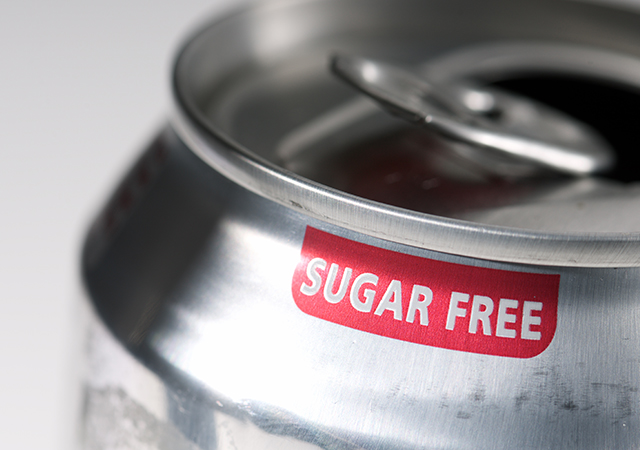
Zero sugar doesn’t automatically mean healthy. These products contain artificial sweeteners like aspartame, sucralose, or saccharin. They don’t directly raise blood sugar, but emerging research suggests they may affect your health in other ways:
- Alter gut bacteria balance
- Increase cravings for sweet foods
- Contribute to insulin resistance over time
- Disrupt natural appetite regulation
- Damage tooth enamel
Where hidden sugar is lurking
Many supposedly healthy foods harbour surprising amounts of sugar that can sabotage your health goals without you realising it.
Flavoured yoghurt is marketed as a nutritious choice, but manufacturers often add large amounts of sugar to mask the natural tartness of plain yoghurt. What appears to be a healthy snack becomes a sugar delivery system that can spike your blood glucose levels.
Granola or cereal bars often contain a combination of dried fruits, sweeteners, and binding syrups, creating a concentrated sugar bomb that provides little sustained energy.
Pasta sauces seem innocent enough. Tomatoes are vegetables, after all. Commercial varieties often contain added sugars to balance the acidity of tomatoes, turning a simple vegetable-based sauce into a hidden source of unnecessary carbohydrates.
Breakfast cereals, even ones positioned as healthy options, frequently contain multiple forms of sugar. The combination of refined grains and added sweeteners creates a morning meal that triggers rapid blood sugar spikes and mid-morning energy crashes.
Fruit juices, even ones labelled as 100% pure, concentrate the natural sugars from multiple pieces of fruit into a single serving and remove beneficial fibre.
Animal products hiding in plain sight
Many products contain hidden animal ingredients. Gelatin (from animal bones) appears in marshmallows and sweets. Carmine (crushed insects) provides red colouring. Whey powder and casein are milk proteins found in some sauces, dressings and baked goods, and isinglass (fish bladders) clarifies alcoholic beverages.
Less obvious derivatives include bone phosphate (anti-caking agent), shellac (insect resin on sweets), and L-cysteine (which can be plant-based but can also be derived from duck feathers).
South African labelling laws don’t require manufacturers to specify ingredient sources. Look for certified halal, kosher, or vegan symbols, or contact manufacturers directly when in doubt.
Red flags on labels
Misleading claims:
- “All-natural” (sugar is natural, but still harmful in excess)
- “Light” or “lite” (may be high in other harmful ingredients)
- “Energy boosting” (often code for high sugar content)
Concerning ingredients:
- Multiple sugar types in one product.
- Artificial colours (Red 40, Yellow 5).
- Chemical preservatives (BHA, BHT, sodium benzoate).
- Excessive sodium content.
Practical tips for smarter shopping
Before you shop:
- Eat something nutritious to avoid impulse purchases.
- Plan meals around whole, minimally processed foods.
- Set a realistic budget for healthier options.
In the store:
- Shop the perimeter first (fresh produce, meat, dairy).
- Compare products using the per-100g information.
Smart swaps:
- Plain yoghurt with fresh fruit instead of flavoured varieties.
- Fresh, filtered water with lemon instead of fizzy drinks.
- Homemade snacks instead of shop-bought cereal bars.
- Herbamare and Kelpamare instead of salt and sauces.
Take control of your health journey
Reading food labels becomes second nature with practice. Start by focusing on one or two key areas, like the sugar and carbohydrate content.
Small changes accumulate into major health improvements over time. Each informed choice you make moves you closer to better energy levels, improved weight management, and reduced risk of chronic diseases.
Your health journey is unique. Understanding food labels gives you the power to make choices aligned with your personal goals. When you become an informed consumer, you’re improving your own health and sending a message to manufacturers that consumers value transparency and healthier options.
The journey to better health through informed food choices starts with your very next trip to the shops. Armed with this knowledge, you’re ready to navigate the aisles with confidence.
References and additional reading:
- Affinity Health (2025) ‘How Hidden Sugar Is Sneaking Into Your Diet’. Available at: https://www.affinityhealth.co.za/health-may-week-2-how-hidden-sugar-is-sneaking-into-your-diet/
- ASC Consultants (2024) ‘What to Expect in the New Draft Labelling Regulations R3337 in SA’. Available at: https://ascconsultants.co.za/new-draft-labelling-and-advertising-regulations-r3337/
- Cancer Council SA (2025) ‘Are ‘diet’ drinks healthier?’ Available at: https://www.cancersa.org.au/blog/are-diet-drinks-healthier/
- Centers for Disease Control and Prevention (n.d.) ‘Spotting Hidden Sugars in Everyday Foods | Diabetes’. Available at: https://www.cdc.gov/diabetes/healthy-eating/spotting-hidden-sugars-in-everyday-foods.html
- Chemetrix (n.d.) ‘Food Labelling: A Brief Overview’. Available at: https://chemetrix.co.za/food-labelling-a-brief-overview/
- Dummies.com (2016) ‘Hidden Animal Ingredients in Foods’. Available at: https://www.dummies.com/article/body-mind-spirit/physical-health-well-being/diet-nutrition/veganism/hidden-animal-ingredients-in-foods-200722/
- Food Guides (2025) ‘Hidden Animal Products: Navigating the Vegan and Vegetarian Food Landscape’. Available at: https://foodguides.com/blogs/from-the-experts/hidden-animal-products-navigating-the-vegan-and-vegetarian-food-landscape
- FoodFacts (2018) ‘Labelling – FoodFacts – Food Advisory Consumer Service’. Available at: https://foodfacts.org.za/labelling/
- Ginger and Jamu (2021) ‘Decoding Food Labels: Uncover Hidden Sugars’. Available at: https://gingerandjamu.com/decoding-food-labels-uncover-hidden-sugars/
- Government of South Africa (2023) ‘Foodstuffs, Cosmetics and Disinfectants Act: Regulations: Labelling and advertising of foodstuffs’. Available at: https://www.gov.za/sites/default/files/gcis_document/202304/48428rg11572gon3287.pdf
- Healthline (2019) ‘Coke Zero (Coca-Cola Zero Sugar): Good or Bad?’ Available at: https://www.healthline.com/nutrition/is-coke-zero-bad-for-you
- Healthline (2020) ‘The 56 Most Common Names for Sugar (Some Are Tricky)’. Available at: https://www.healthline.com/nutrition/56-different-names-for-sugar
- I Quit Sugar (n.d.) ‘Scarily Common Foods You Won’t Believe Are Harbouring Hidden Sugars’. Available at: https://iquitsugar.com/blogs/articles/5-common-foods-you-won-t-believe-are-harbouring-hidden-sugars
- Independent Online (2023) ‘4 surprising foods with hidden sugar and their healthy substitutions’. Available at: https://iol.co.za/lifestyle/health/diet/2023-03-03-4-surprising-foods-with-hidden-sugar-and-their-healthy-substitutions/
- Joekels (2025) ‘Laager Dietitian Explains How to Avoid the Hidden Sugars in Popular Snacks and Drinks’. Available at: https://www.joekels.co.za/blogs/news/laager-dietitian-explains-how-to-avoid-the-hidden-sugars-in-popular-snacks-and-drinks
- Manna Plus (2025) ‘9 Foods That May Be Packed With Hidden Sugar’. Available at: https://mannaplus.co.za/blogs/diabetes/9-foods-that-may-be-packed-with-hidden-sugar
- Neocate (2019) ‘Understanding Food Labels: Spotting Those Hidden Sugars’. Available at: https://www.neocate.com/living-with-food-allergies-blog/understanding-food-labels-spotting-hidden-sugars/
- ZOE (2024) ‘Are Artificial Sweeteners Harming Your Gut?’ Available at: https://zoe.com/learn/artificial-sweeteners-gut-health